


There is a difference between a home that looks expensive and one that feels exceptional.
High-quality materials, generous proportions and beautifully finished interiors can all create an immediate impression. But they don’t necessarily tell us how carefully a home has been considered, or how successfully its individual elements work together.
Often, the qualities that distinguish an exceptional home are found in the details that receive the least attention. The way two materials meet, the position of a doorway or the relationship between a window and the wall surrounding it. These are the decisions that allow the finished architecture to appear almost effortless.
In our latest blog, we explore why exceptional residential design is about more than the quality of individual features, and how thoughtful detailing can elevate the experience of an entire home.
The Difference Between Expensive and Exceptional
An expensive material doesn’t automatically create an exceptional result.
Natural stone, solid timber and bespoke joinery can bring enormous character and quality to a home. But the way these elements are incorporated into the wider design is just as important as their individual quality.
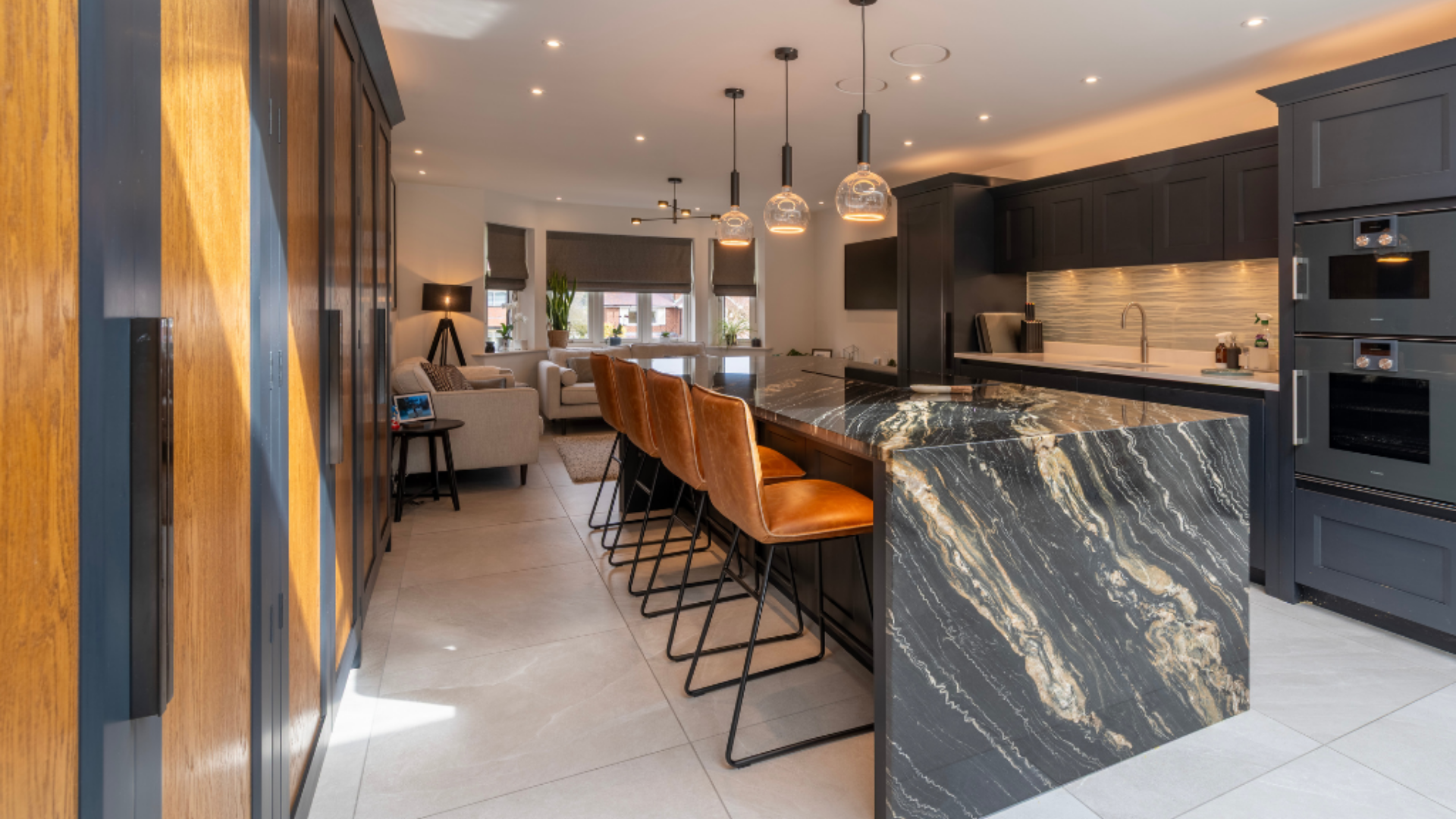
Consider a beautifully veined piece of marble. Its appearance may be striking, but the way the pattern continues across adjoining surfaces, how the edges are finished and how it meets surrounding materials will determine whether the result feels truly considered.
A beautifully made staircase can lose some of its impact if its relationship with the surrounding space feels awkward. Expensive cabinetry may appear less refined when proportions, junctions or alignments haven’t been carefully resolved.
Rather than considering individual features in isolation, exceptional design looks at how every element contributes to the home as a whole. The value lies not simply in the materials and finishes selected, but in how thoughtfully each detail has been brought together.
Proportion Is a Detail in Its Own Right
When we think about architectural detailing, it’s easy to focus on materials, fixtures and finishes. Yet some of the most influential details have very little to do with decoration.
The height of a doorway, the depth of a window reveal or the relationship between a ceiling and the walls beneath it can significantly change how a space is experienced.
A generous room doesn’t necessarily need unusually high ceilings to feel impressive. Equally, increasing the size of every opening won’t automatically improve the architecture.
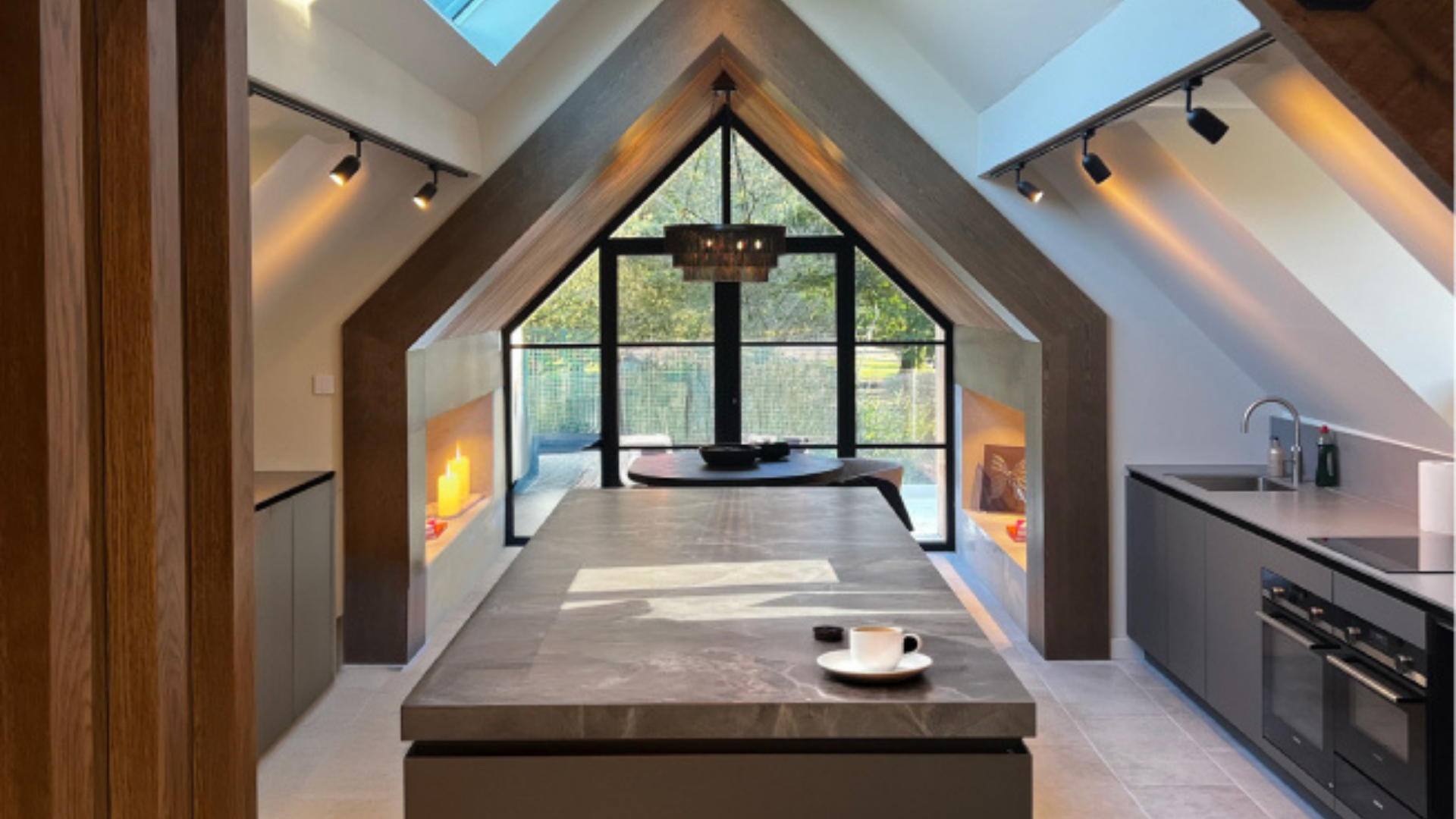
A carefully proportioned window can frame a view more successfully than an entire wall of glazing. A slightly deeper doorway can create a greater sense of transition between rooms. Even the thickness of a wall can become an architectural feature when it creates opportunities for shelving, seating or beautifully detailed openings.
These decisions influence the character of a home long before furniture, artwork and decorative finishes are introduced, demonstrating why proportion is fundamental to the architecture itself.
The Best Details Are Considered Early
One of the misconceptions about detailing is that it should only be considered towards the end of a project. In reality, many of the decisions that define the quality of a finished home need to be made much earlier.
Take a full-height door, for example.
Achieving a clean, uninterrupted appearance may require careful consideration of ceiling levels, structural openings, frames, hinges and adjoining finishes. It isn’t simply a matter of selecting a particular door once construction is nearing completion.
The same applies to integrated lighting, concealed storage, window detailing and the relationship between different floor finishes.
When these elements are considered early, they can become part of the architecture rather than additions that have to be accommodated later.
Achieving this requires careful coordination. Architects, interior designers, specialist manufacturers and contractors each bring different expertise. The most successful results often emerge when that knowledge is brought together from the outset, allowing design intentions to be carried through into the finished building.
Because even the strongest architectural idea depends on the quality of its execution.
Closing Thoughts
An exceptional home isn’t necessarily the one with the most expensive finishes, the largest rooms or the greatest number of bespoke features.
From the proportions of individual spaces to the smallest junction between materials, every decision contributes to the overall experience of the architecture.
Perhaps that’s what truly distinguishes exceptional design.
Not the number of impressive features it contains, but the sense that nothing has been left to chance.
If you would like to discuss your project with us, please call 01625 402442 or email us to arrange a free initial consultation.
A Vision Inspired by Outstanding Design


