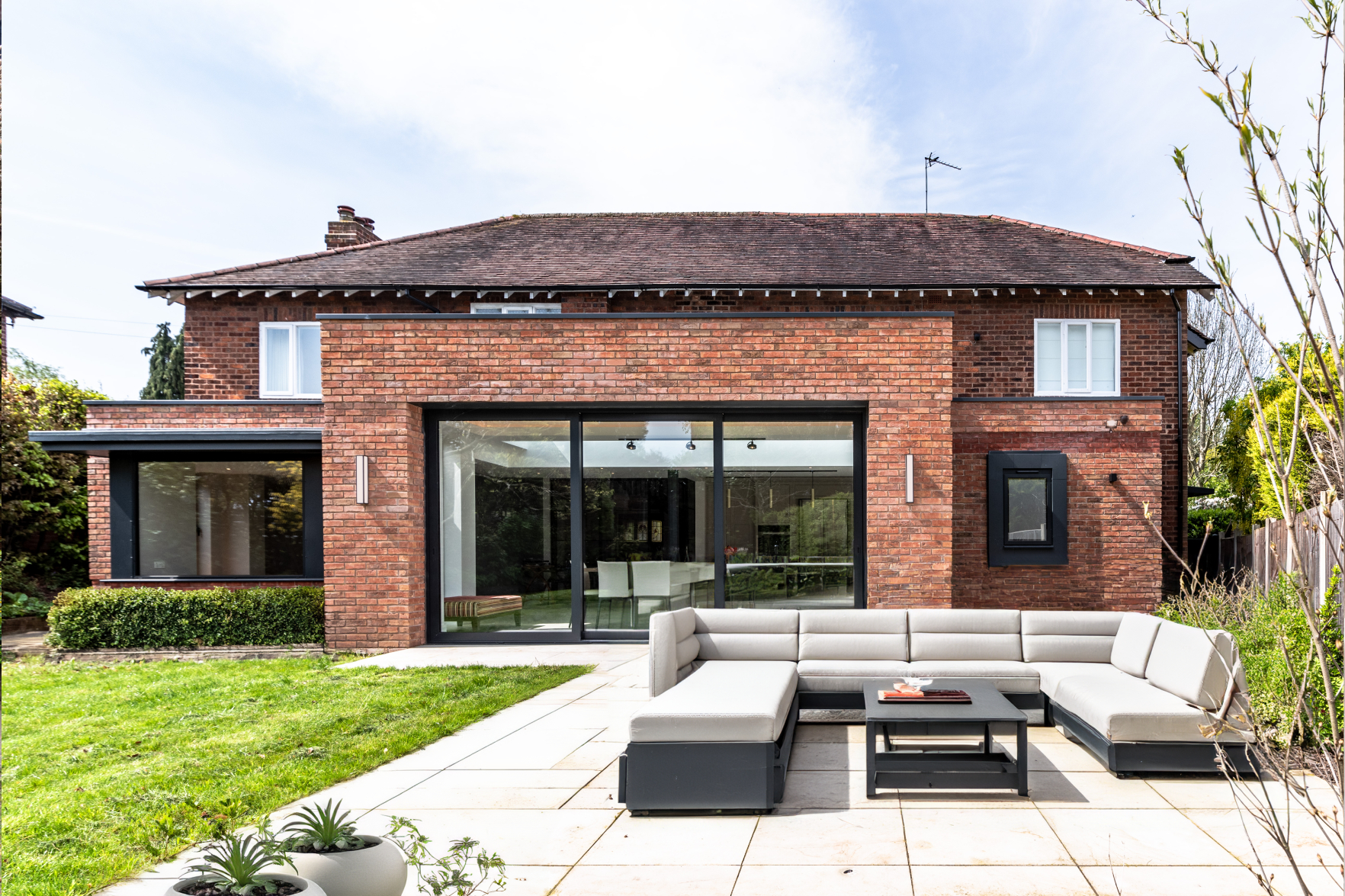
A home can feel very different as the seasons change.
During the warmer months, longer days and higher levels of natural light can make spaces feel bright, open and connected to the outdoors. But for much of the year, particularly in the UK, we experience our homes very differently.
Autumn and winter bring shorter days, lower light levels and more time spent indoors. Spaces that feel bright and connected in summer can begin to feel exposed, gloomy or difficult to use once the seasons change.
This is when the less visible qualities of a home become particularly important.
In our latest blog, we explore how architecture can respond to the darker months, creating a home that feels comfortable, inviting and enjoyable throughout the year.
Design for the Lowest Light, Not Just the Brightest Day
Natural light remains important during autumn and winter, but the answer isn’t simply to make every window larger.
The position and orientation of glazing determine when light enters a room, how far it reaches and whether it is available at the times the space is used most often. A large window facing the wrong direction may contribute less than a smaller opening positioned to capture low winter sunlight.
Rooflights can bring daylight deeper into the property, while internal glazing and carefully aligned openings can allow it to pass between spaces. Lighter surfaces can also help reflect limited daylight rather than absorbing it.
The changing position of the sun should be considered from the beginning of the design process. A room that performs beautifully in midsummer but feels gloomy for the rest of the year hasn’t been designed for the full reality of its setting.
The darker months provide a more revealing test of whether natural light has been used thoughtfully.
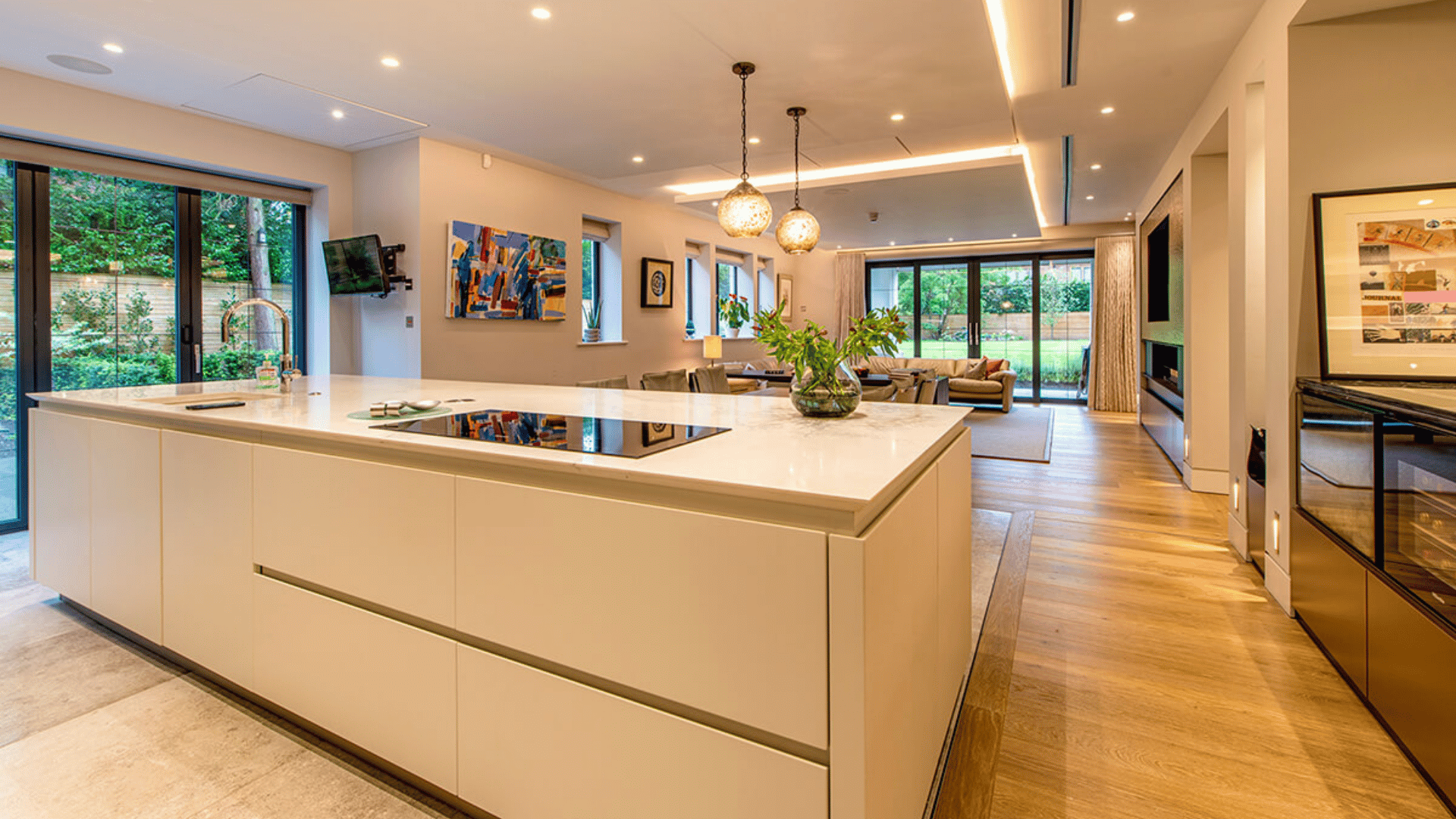
Create Different Levels of Light
As daylight fades, artificial lighting takes on a much greater role.
A room may need to feel bright and practical during the day, but softer and more intimate in the evening. Relying on a single source of overhead lighting rarely provides that flexibility.
Layering different types of light allows the atmosphere to change.
Architectural lighting can illuminate walls, ceilings and materials, helping a room retain depth after dark. Task lighting provides focused light for cooking, reading or working, while lamps and decorative fittings introduce smaller pools of light at a more comfortable scale.
The position of windows also influences how a home feels at night. Large areas of glazing that create a strong connection with the landscape during the day can become dark, reflective surfaces in the evening. Lighting terraces, courtyards or selected areas of planting can preserve a sense of depth beyond the glass without overwhelming the view.
Good lighting doesn’t attempt to make night feel like day. It allows the home to develop a different character as the light outside changes.
.png)
Think About the Journey Inside
The experience of a home begins before reaching its main living spaces.
During autumn and winter, that arrival often involves wet coats, muddy shoes, umbrellas and a sudden transition from cold weather to the warmth inside.
A well-designed entrance makes that transition feel natural.
A covered approach can provide shelter before the door is opened. A porch, boot room or generous hallway can create somewhere to remove outdoor clothing without bringing the weather into the rest of the home. Storage, durable flooring and appropriate lighting can all help these spaces work well without allowing practical necessities to dominate them.
There is also an emotional quality to this transition. Moving from a colder, darker exterior into a more sheltered and warmly lit interior can create an immediate sense of comfort.
Rather than treating the entrance as somewhere to pass through quickly, it can establish how the entire home feels.
.png)
Keep a Connection With the Outside
In colder weather, the garden may be used less frequently, but that doesn’t mean it becomes less important.
Views of changing leaves, bare trees, frost and winter skies allow the seasons to remain part of the experience of the home. A carefully framed outlook can give a room focus, even when doors remain closed.
Covered terraces and sheltered courtyards can also extend the usefulness of outdoor spaces beyond the summer. They provide opportunities to step outside in less predictable weather while creating visual depth when viewed from within.
This relationship works both ways. During the darker months, interior lighting allows the home to be seen from the garden, revealing its warmth and character through the windows.
A strong connection with the outside isn’t only about opening the house up. It is also about creating views that remain meaningful throughout the year.
.png)
Closing Thoughts
A home should not depend on sunshine or open doors to feel at its best.
The most successful designs respond to the entire year, considering how natural light, artificial lighting, entrances and views will be experienced as the seasons change.
In autumn and winter, architecture has to work harder. Natural light is limited, the boundaries between inside and outside become more noticeable and the atmosphere of individual spaces matters more.
These conditions shouldn’t be treated as something to overcome. They offer an opportunity for a home to reveal a different side of its character: one that feels quieter, more sheltered and deeply connected to the season.
Because a home designed for the darker months doesn’t simply make winter easier to tolerate.
It gives us reasons to enjoy being inside.
If you would like to discuss your project with us, please call 01625 402442 or email us to arrange a free initial consultation.
A Vision Inspired by Outstanding Design