


For many homeowners, the way they use their home has changed significantly over the past few years.
Gardens, terraces and courtyards are no longer simply spaces to look out on.
They’re becoming an extension of everyday living; somewhere to enjoy a morning coffee, spend time with family, entertain friends or simply switch off at the end of the day.
In our latest blog, we explore how thoughtful architectural design can shape a home for entertaining, creating spaces that flow naturally, bring people together and make the most of indoor and outdoor living.
As a result, more people are looking at their homes as a whole rather than separating the indoors from the outdoors. The best homes don’t stop at the back door; they create a natural connection between the two.
It Starts During the Design Process
Creating this relationship isn’t about adding patio doors at the end of a project. It needs to be considered from the very beginning.
The position of living spaces, the orientation of the property, natural light and how people will move through the home all influence how well the indoor and outdoor spaces work together.
When these elements are designed in harmony, stepping outside feels like a continuation of the home rather than moving into a completely separate space.
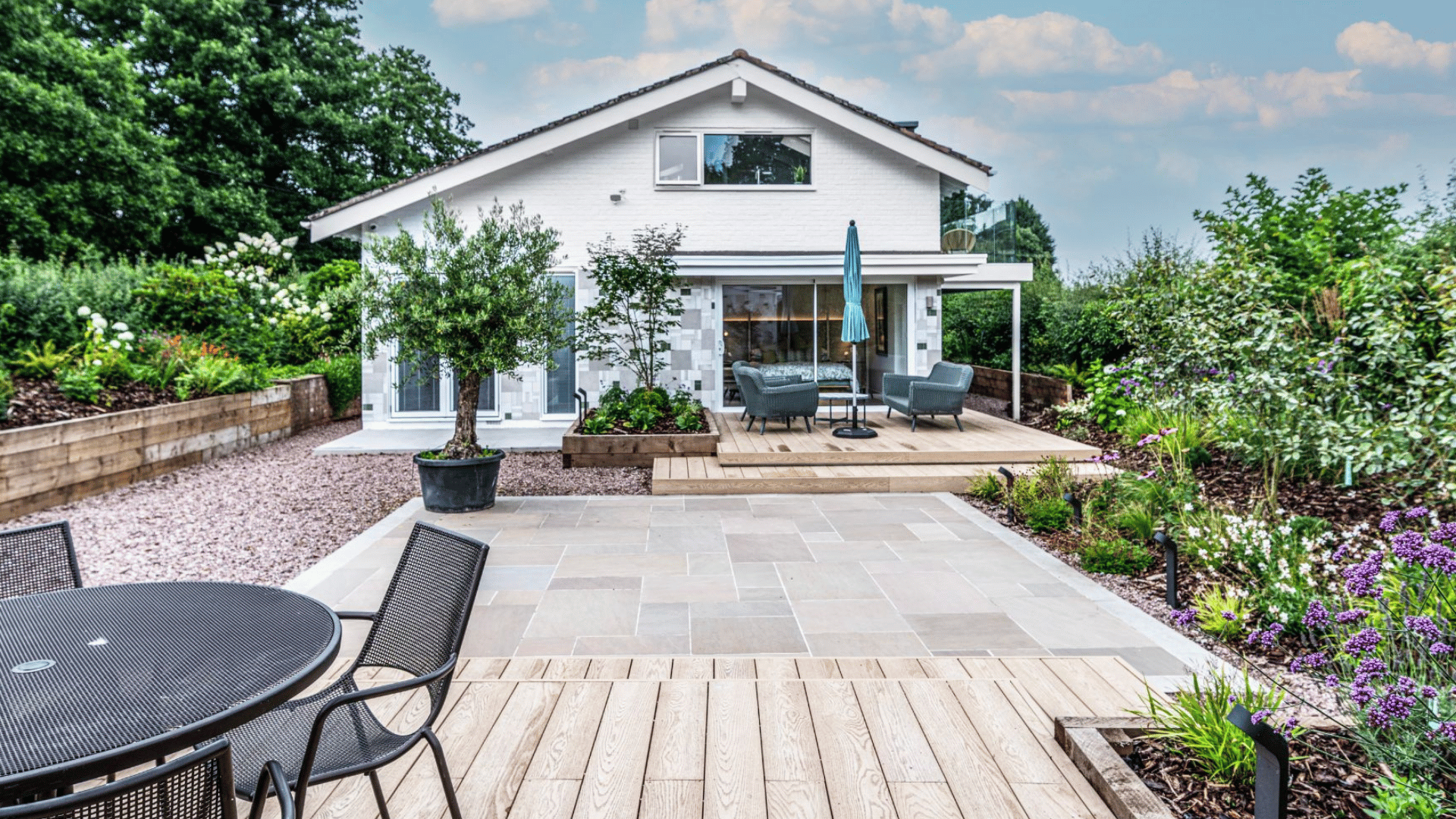
Creating Better Connections
Modern architecture has embraced the idea of opening homes up to their surroundings.
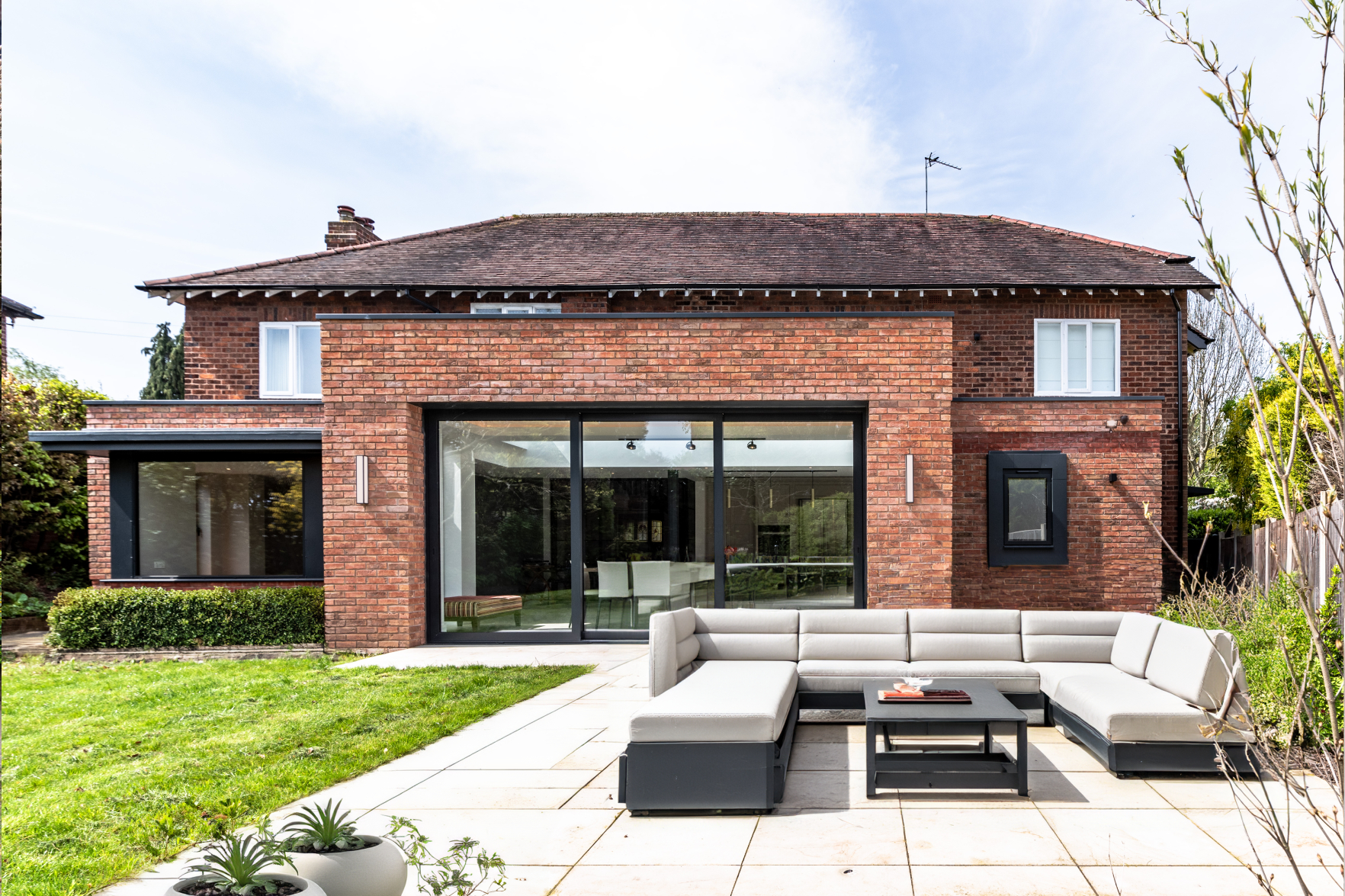
Large areas of glazing, carefully positioned openings and well-planned layouts help create stronger visual connections with gardens and landscapes, even when you’re inside.
Whether you’re preparing dinner, relaxing in the living room or working from home, views of planting, trees and natural light can transform how a space feels throughout the day.
It’s these small but thoughtful design decisions that make homes feel calmer, brighter and more enjoyable to live in.
.png)
Designing Gardens as Part of the Home
The outdoor space itself deserves just as much thought as the rooms inside.
Terraces positioned to capture the evening sun, sheltered seating areas, pathways that naturally guide movement and carefully planned planting all contribute to how the space is experienced.
Rather than treating landscaping as the final stage of a project, considering it alongside the architecture creates a far more cohesive result.
Even relatively modest gardens can feel generous when they’re designed to complement the home instead of sitting separately from it.
.png)
Closing Thoughts
Great residential design isn’t just about creating beautiful rooms.
It’s about understanding how people want to live every day and designing homes that support that lifestyle, both inside and out.
When architecture and landscape are designed together, the boundaries between them become less noticeable, creating homes that feel more connected, more welcoming and ultimately more enjoyable to spend time in.
If you’re planning a new home, extension or renovation, considering how your indoor and outdoor spaces work together from the outset can make a lasting difference to how your home feels for years to come.
If you would like to discuss your project with us, please call 01625 402442 or email us to arrange a free initial consultation.
A Vision Inspired by Outstanding Design


.jpg)


