

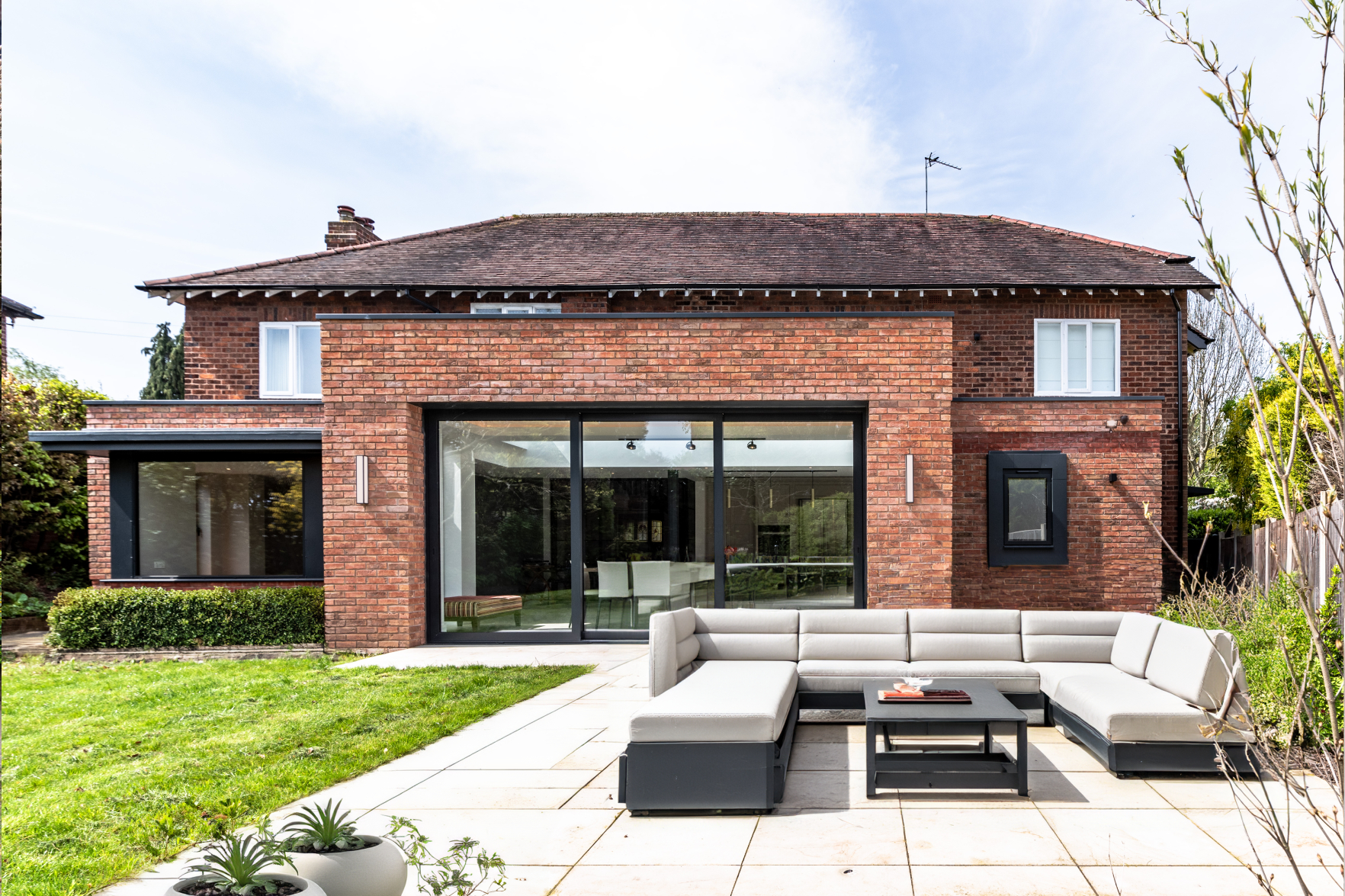
Luxury homes have never been more visible.
Through magazines, social media and property listings, we’re exposed to an endless stream of impressive interiors: expansive glazing, statement staircases, bookmatched stone, sculptural lighting and carefully styled open-plan spaces.
These images can provide valuable inspiration. But when the same ideas appear repeatedly, luxury can begin to look less individual and more like a formula.
In our latest blog, we explore why the most successful homes aren’t defined by how closely they follow a particular aesthetic, but by how thoughtfully they reflect the people who live within them.
True luxury isn’t simply about creating an impressive home. It’s about creating one that couldn’t quite belong to anybody else.
The ‘Luxury Look’ Is Not the Same as Luxury
There are certain features that have become closely associated with high-end residential design.
Generous proportions, natural stone, bespoke joinery and large areas of glazing can all contribute to an exceptional home. But their presence alone doesn’t guarantee that a space will feel personal, comfortable or even particularly memorable.
When design begins with a collection of desirable features, rather than a clear understanding of the people who will use them, a home can be beautifully finished yet still feel strangely anonymous.
It may look luxurious, but it doesn’t necessarily say anything about the lives unfolding within it.
The most successful homes use materials, space and craftsmanship with purpose. Every decision contributes to a wider idea of how the home should feel and function, rather than simply demonstrating what has been included.
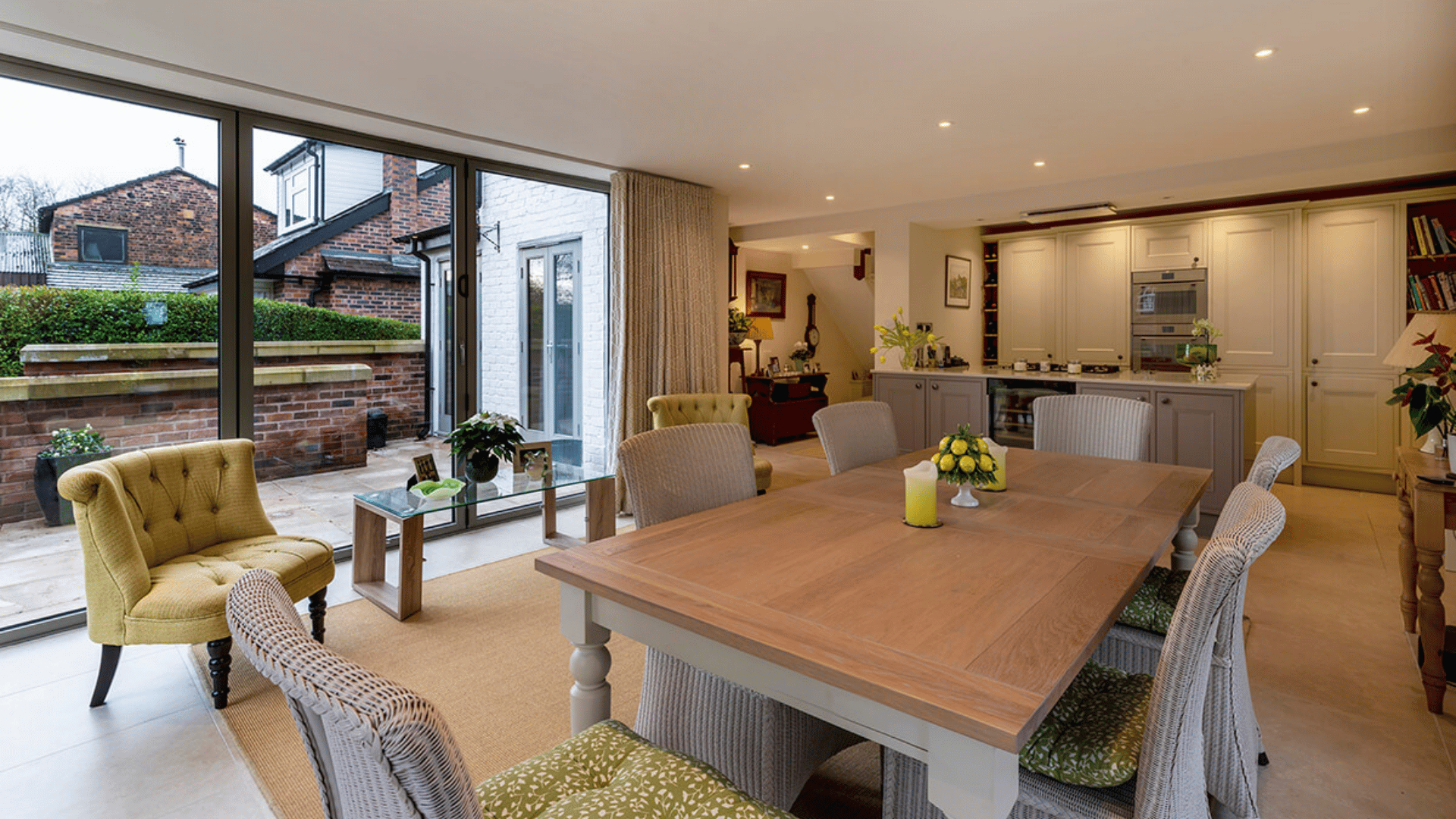
Start With the Life, Not the Look
Before thinking about styles, finishes or individual rooms, it’s worth asking more revealing questions.
Where does the household naturally come together? What does a quiet morning at home look like? How often do friends and family visit? Which possessions have meaning, and which daily routines deserve to be made easier?
The answers may seem ordinary, but they can lead to much more distinctive architecture.
A family that loves to cook together may value a kitchen designed around several people using it at once. Someone with a significant art collection may need rooms shaped around particular pieces, rather than blank walls waiting to be filled. A keen gardener might want the changing landscape to become part of the experience of moving through the house.
Even the way someone enters their home, settles down at the end of the day or spends a Sunday morning can influence its layout and character.
These details create a richer brief than a collection of reference images ever could. They allow the design to emerge from the life it needs to support, giving the home an identity that feels personal from the outset.
.png)
Personal Doesn’t Have to Mean Obvious
A home doesn’t need to make a loud statement to feel individual.
Personality can be expressed through the way spaces unfold, the views that are framed and the balance between openness and privacy. It might be found in a window seat positioned to catch the morning light, a quiet reading space between two rooms or a material chosen because it connects the building to its setting.
Often, the most personal decisions are the ones a visitor may never fully recognise.
They simply make the home feel natural to the people living there.
This is an important distinction. Personal design isn’t about adding decorative touches to an otherwise standard solution. It comes from shaping the architecture around particular habits, preferences and priorities from the outset.
When that happens, individuality becomes part of the building itself.
.png)
Allow Character to Develop Over Time
There can be a temptation for a newly completed home to feel entirely finished from the moment the owners move in.
But homes become more personal through use.
Artwork is collected, furniture is rearranged, books accumulate and the way rooms are used gradually changes. A home designed too rigidly around a perfectly styled image can leave little room for that evolution.
Thoughtful architecture provides a strong foundation without dictating every detail. It creates spaces with enough character to feel complete, but enough flexibility to accommodate new possessions, changing routines and different stages of life.
This doesn’t mean designing something neutral or lacking in confidence. It means recognising that a home is not a static composition.
Its identity should deepen as the people within it make it their own.
.png)
Closing Thoughts
The most compelling homes aren’t memorable because they contain every recognisable feature of luxury design.
They’re memorable because the architecture, interiors and individual details come together in a way that feels entirely particular to the people who live there.
That individuality can’t be created by following a formula. It comes from asking the right questions, understanding the details of everyday life and making decisions with genuine purpose.
Exceptional materials, generous spaces and beautifully made details still matter. But their value lies in how they contribute to the wider experience of the home, not simply in how they appear.
Because perhaps the greatest luxury isn’t owning a home that everybody admires.
It’s living in one that feels unmistakably yours.
If you would like to discuss your project with us, please call 01625 402442 or email us to arrange a free initial consultation.
A Vision Inspired by Outstanding Design


.jpg)


