


For a long time, luxury residential design was closely associated with what a home contained.
Swimming pools, cinema rooms, home gyms and expansive entertaining spaces became recognisable features of high-end properties. Their presence suggested a particular standard of living, with the emphasis often placed on the number and scale of amenities available.
These features still have their place. But the meaning of luxury is becoming increasingly personal, shaped less by the amenities a home contains and more by how its owners want to live.
In our latest blog, we explore how changing lifestyles are influencing residential architecture, and what this means for the design of exceptional homes.
Luxury Is Becoming More Personal
A dedicated home gym may be invaluable to someone who exercises every morning. For another homeowner, the same space might remain largely unused.
This raises an interesting question: what makes a feature luxurious if it doesn’t contribute meaningfully to everyday life?
Increasingly, the answer lies in understanding how people choose to spend their time, rather than following a conventional idea of what an expensive home should include.
For someone who enjoys cooking, that might mean a kitchen designed around preparing elaborate meals and entertaining guests, with generous preparation areas and a layout that allows several people to work comfortably together.
For a keen collector, it could mean creating a dedicated space to display and enjoy artwork, books or other treasured possessions. Someone who values spending time outdoors might prioritise sheltered terraces, outdoor kitchens or a stronger relationship between the house and its garden.
The value of these spaces comes from how closely they reflect the interests and priorities of the people living there.
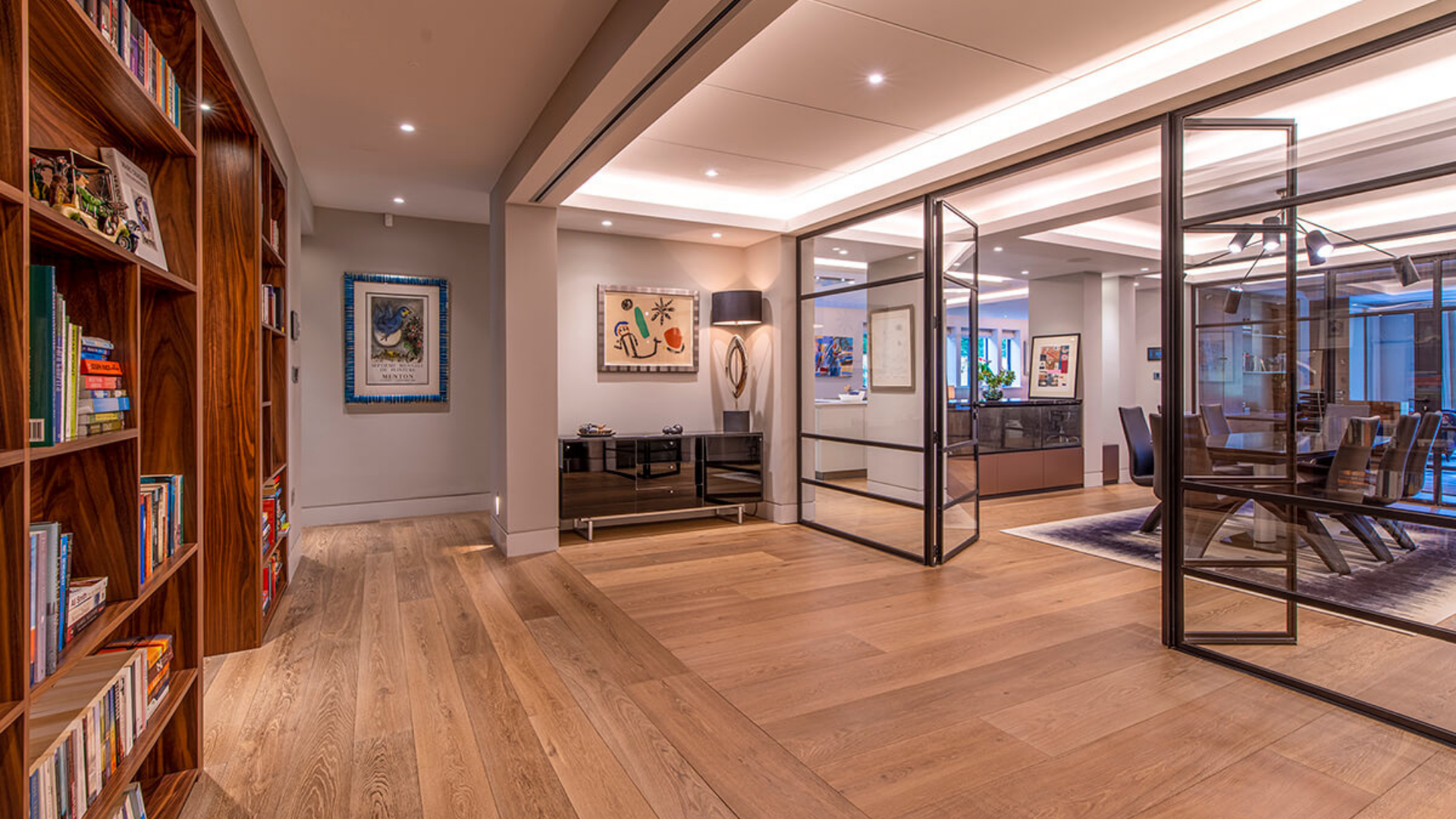
Designing Around How Time Is Spent
Perhaps one of the most significant changes in residential design is the number of activities our homes are now expected to accommodate.
But accommodating these activities successfully requires more than simply assigning each one a room.
A home office, for example, might need to provide privacy for meetings while remaining connected to the rest of the house. A space for exercise may benefit from direct access to the garden, natural ventilation and appropriate flooring. An area designed for entertaining might need to consider how guests move between the kitchen, dining spaces and outdoors.
These relationships influence where rooms are positioned, how they connect and the level of separation they require.
There is also value in considering which activities genuinely deserve dedicated spaces and which could comfortably share them.
A room designed around a single purpose may be perfect for someone who uses it every day, but less valuable if that interest changes. Thoughtful architecture can balance highly personal requirements with enough flexibility for the home to remain useful over time.
The aim isn’t to accommodate every possible activity, but to give the things that matter most the space and consideration they deserve.
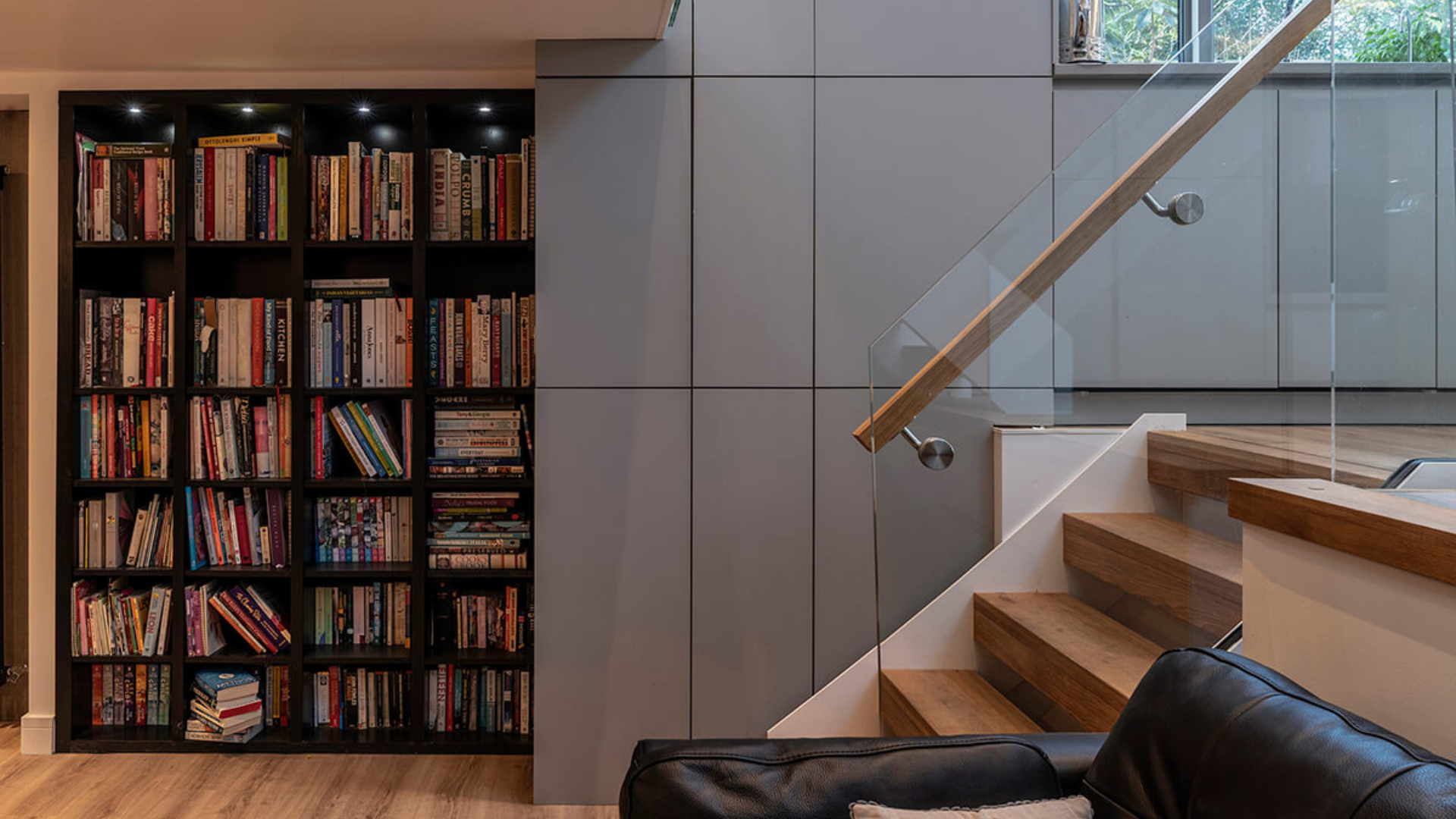
The Luxury of Everyday Convenience
Not every lifestyle-led design decision needs to result in a remarkable room or an impressive architectural feature.
Sometimes, the greatest improvements are found in the ordinary moments of daily life.
A secondary preparation kitchen might allow the main kitchen to remain a beautiful space for entertaining. Carefully integrated storage can keep everyday necessities out of sight, while separate guest accommodation can offer privacy and independence for both visitors and homeowners.
These decisions may be less immediately noticeable than a swimming pool or cinema room, but their influence on daily life can be just as significant.
The same principle applies to how spaces connect. A guest suite with its own access, or a private bedroom positioned away from the busiest parts of the house, can make familiar routines considerably more enjoyable.
Good residential architecture doesn’t always need to announce itself through dramatic features. Sometimes, its greatest achievement is making daily life feel effortless.
Closing Thoughts
A swimming pool, home gym or cinema room can still be a wonderful addition to a home, provided it has a meaningful place in the lives of the people who use it.
But exceptional residential design begins with a broader understanding of what matters to each household, from their interests and routines to the way they want to spend their time.
Because ultimately, luxury isn’t about having space for everything.
It’s about having a home that makes room for the things that matter most.
If you would like to discuss your project with us, please call 01625 402442 or email us to arrange a free initial consultation.
A Vision Inspired by Outstanding Design


