


There are homes we fall in love with for reasons that have very little to do with their layout.
It might be the setting, the architecture, the garden or simply the feeling of arriving home after a long day.
But while the things we love about a property may remain the same, the way we live and what we need from our homes can change over time.
Rooms that once felt perfectly suited to everyday life can gradually become less practical. Spaces that were once central to the home may no longer serve the same purpose. And a house that still looks beautiful can begin to feel increasingly difficult to live in.
When that happens, it’s natural to wonder whether it’s time to move. But what if the home you already love could become the home you need today?
In our latest blog, we explore how thoughtful renovation can give an existing property a new lease of life, preserving the qualities that make it special while reimagining the spaces that no longer work.
The House Hasn’t Changed. You Have.
The way we use our homes is rarely static.
A house that was designed around a young family may feel very different once the children have grown up. Rooms that were once constantly occupied can become underused, while other spaces are expected to accommodate activities they were never originally designed for.
But changes aren’t always tied to major life events.
Perhaps entertaining friends and family has become a greater priority, yet the kitchen feels disconnected from the rooms where guests gather. Maybe working from home has highlighted the need for privacy, or a growing appreciation for the garden has made the lack of connection between inside and outside more noticeable.
Over time, the way a home was originally designed to function may no longer reflect the life taking place within it.
Rather than asking whether the property is still right for you, it may be worth questioning whether its existing arrangement is still the right one.
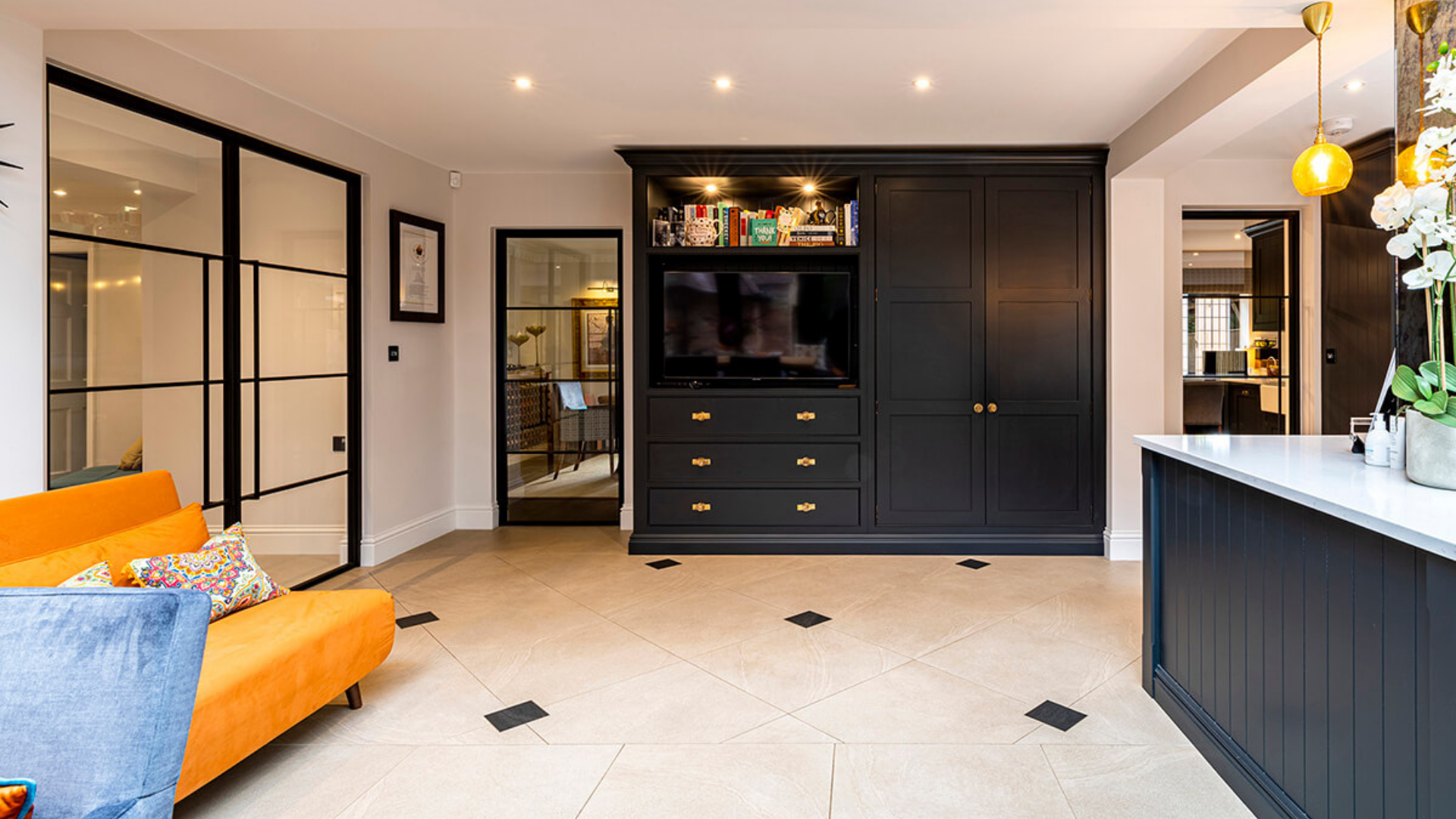
Reimagine the Home, Rather Than Simply Improving It
When considering a renovation, it’s natural to begin with a list of things that need improving.
A larger kitchen. An additional living space. Better access to the garden. More natural light.
But these are often solutions to what we think the problem is, rather than an understanding of what’s actually causing it.
A kitchen might feel too small because its layout doesn’t allow several people to use it comfortably. A living room might feel disconnected because of the position of a doorway rather than its distance from the rest of the house. A property may have generous amounts of floor space, yet still feel restrictive because of how that space is divided.
Reconfiguring existing rooms might create a more natural relationship between cooking, dining and living spaces. Changing the position of an opening could improve circulation or introduce a view that was previously hidden. An underused room might be given an entirely new purpose.
And sometimes, a carefully considered extension really is the most appropriate answer.
The design should respond to what the home needs to achieve, rather than beginning with a predetermined solution. After all, a successful renovation doesn’t necessarily mean creating more space, but making the space available work more successfully.
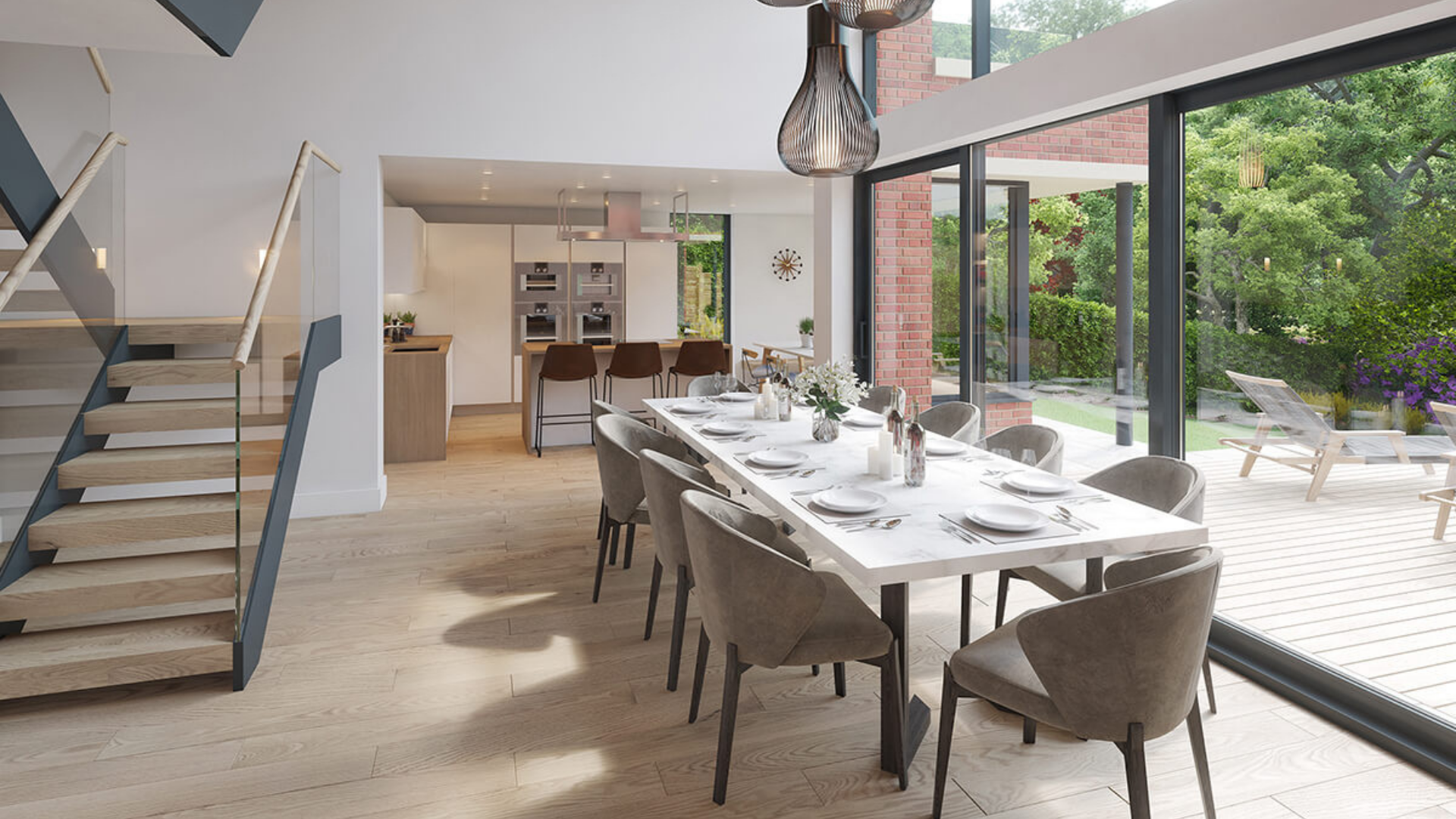
A New Chapter for a Familiar Home
There can be a hesitation about making significant changes to a house that has been loved for many years.
Particularly when a property has architectural character, it’s understandable to worry that renovation might compromise the very qualities that make it special.
But respecting an existing home doesn’t mean preserving every aspect of its original arrangement.
An original feature might become the focal point of a reimagined space. A new opening could establish a stronger connection with an established garden. Contemporary materials might sit comfortably alongside the character of an older building, allowing the distinction between past and present to become part of its appeal.
The aim isn’t necessarily to make the house feel entirely new, but to create a thoughtful relationship between what has always worked and what needs to change.
Because the most successful renovations don’t simply improve the appearance of a property. They allow it to continue evolving, without losing the qualities that made it worth staying for.
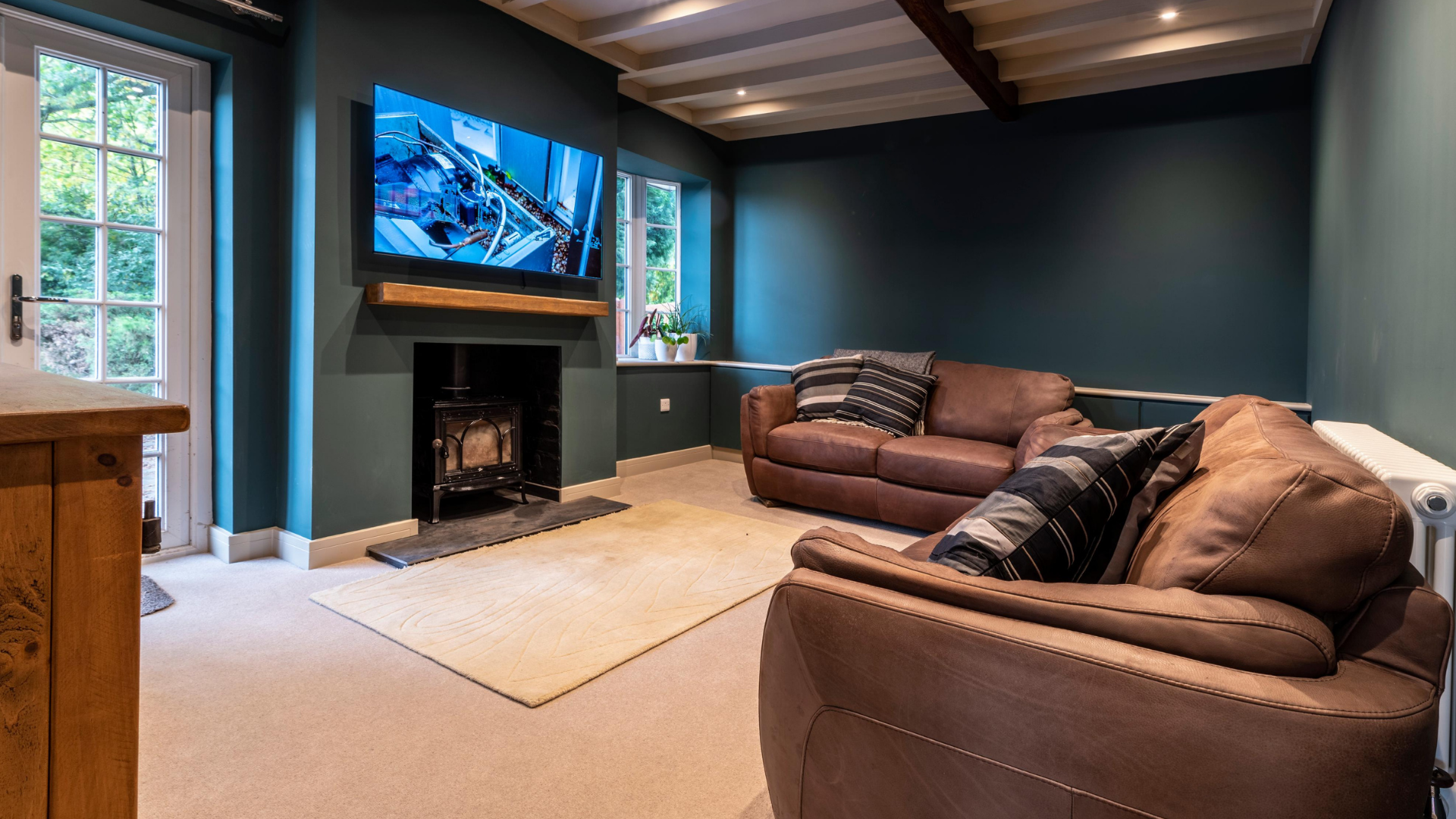
Closing Thoughts
There comes a point when a home may no longer work quite as it once did. But that doesn’t necessarily mean it’s time to leave.
Sometimes, the qualities that make a house worth staying for are already there. The setting, the character and the things that have made it feel like home for so many years.
Because perhaps the home you’ve been looking for isn’t somewhere else.
Perhaps it’s the one you already have, waiting to be seen differently.
If you would like to discuss your project with us, please call 01625 402442 or email us to arrange a free initial consultation.
A Vision Inspired by Outstanding Design


