


In our latest blog, we explore how residential architecture is responding to warmer UK summers and the changing demands they place on our homes.
From building orientation and shading to ventilation strategies and material selection, we look at how thoughtful design can help create homes that remain comfortable, efficient and enjoyable to live in throughout the year, while maintaining a strong connection to their surroundings.
For much of the last century, residential architecture in the UK was primarily concerned with keeping warmth in.
Today, the conversation is becoming broader.
As summers become warmer and periods of prolonged heat become more common, homeowners are increasingly thinking about how their homes perform during the hottest months of the year, not just the coldest.
This shift is encouraging a more considered approach to residential architecture. Rather than relying solely on mechanical cooling systems, architects are exploring how orientation, shading, ventilation and material selection can work together to create homes that remain comfortable naturally.
At Kimble Roden, these considerations are rarely viewed in isolation. They form part of a wider design process that seeks to create homes that respond intelligently to their environment while enhancing the everyday experience of living within them.
Designing With the Sun in Mind
One of the most effective ways to improve a home’s comfort during warmer weather begins long before construction starts.
The orientation of a building can have a significant impact on how much solar gain it experiences throughout the day.
Carefully positioning key living spaces allows homes to benefit from natural light while reducing the risk of excessive overheating. South-facing spaces may be desirable for daylight and garden connections, but they require careful consideration to ensure they remain comfortable throughout the changing seasons.
By understanding how sunlight moves across a site throughout the day and across different seasons, architects can make informed decisions that improve both comfort and energy performance.
The result is a home that feels bright and welcoming without becoming overly dependent on artificial cooling.

The Role of Shading
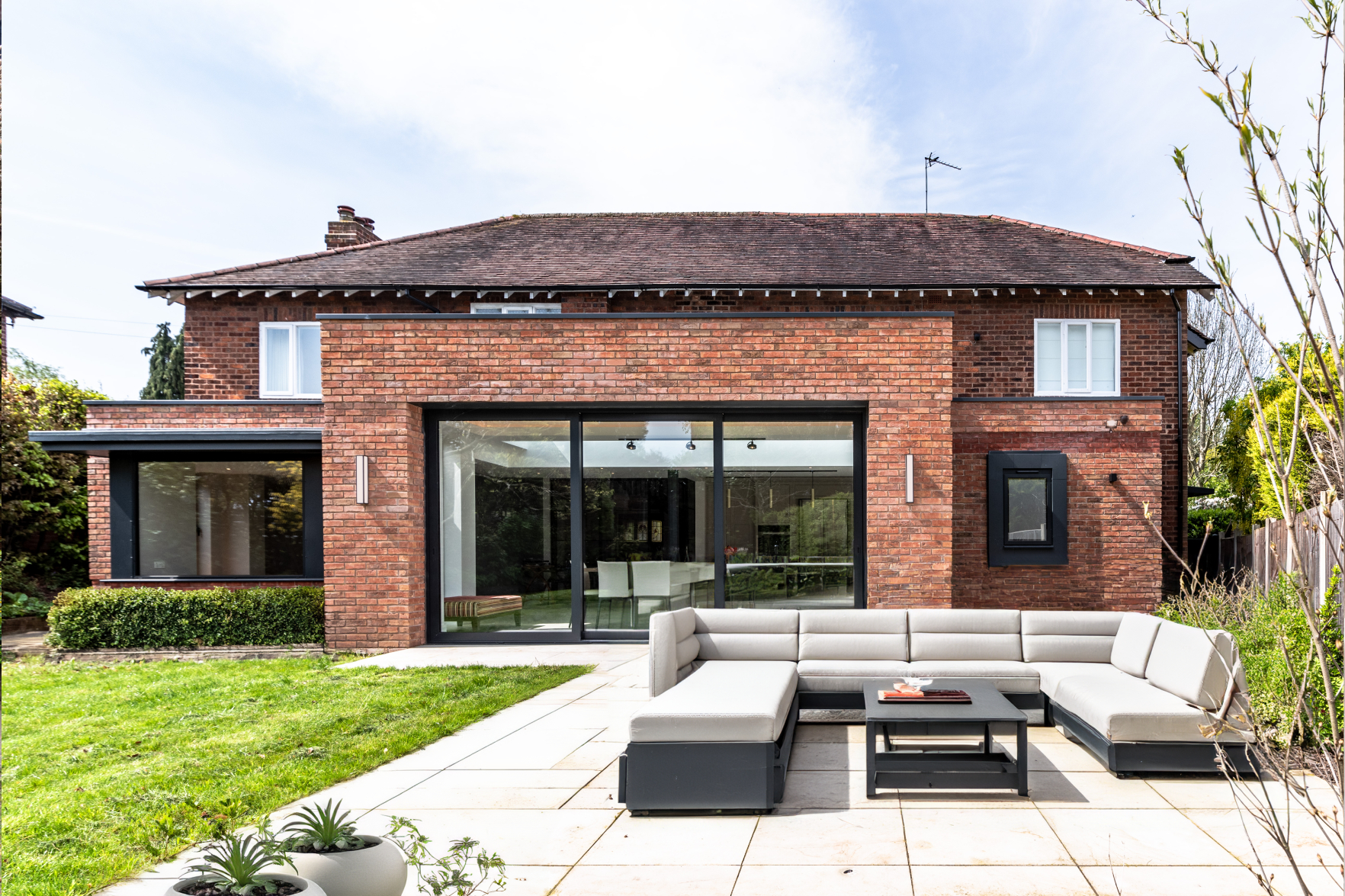
Large expanses of glazing remain a defining feature of many contemporary homes, helping to strengthen the relationship between interior and exterior spaces.
However, glazing performs at its best when paired with carefully considered shading.
Architectural features such as overhangs, recessed openings, pergolas and external screens can help control the amount of direct sunlight entering a home during the hottest parts of the day.
Importantly, good shading is not about blocking natural light. It is about managing it.
When integrated into the architecture from the outset, shading can reduce overheating while preserving the openness, views and connection to the landscape that homeowners value.
.png)
Creating Comfortable Airflow
Ventilation has always played an important role in residential architecture, but its significance becomes even greater as temperatures rise.
Thoughtful ventilation strategies can help homes remain comfortable without relying heavily on mechanical systems.
The positioning of windows, doors and internal openings can encourage natural air movement throughout a property, allowing warmer air to escape while drawing cooler air through the home.
This approach often works most effectively when considered as part of the overall layout rather than as an isolated feature.
The flow of air through a home can be just as important as the flow of people, influencing how spaces are experienced throughout the day and across changing seasons.
.png)
Materials That Respond to Their Environment
Material selection plays a subtle but important role in how a home performs during warmer weather.
Different materials absorb, store and release heat at different rates, influencing internal comfort levels long after the sun has set.
Natural materials such as stone, brick and timber can contribute to a more balanced internal environment when used thoughtfully, helping to moderate temperature fluctuations while adding a sense of permanence and connection to place.
Beyond performance, materials also influence how a home feels. Texture, colour and surface finishes can affect the perception of warmth, creating spaces that feel calm, comfortable and connected to their surroundings.
As with many aspects of architecture, the strongest results often come from considering performance and aesthetics together rather than separately.
.png)
Designing for a Changing Climate
The growing focus on warmer summers reflects a broader shift in the way we think about our homes.
Rather than responding to individual challenges in isolation, architecture is increasingly embracing a more holistic approach that considers comfort, energy performance, wellbeing and longevity together.
The homes that will perform best in the future are unlikely to be those that simply respond to changing conditions. They will be the homes that have been thoughtfully designed to anticipate them.
At Kimble Roden, this means creating homes that respond intelligently to their site, their environment and the people who live within them.
Because good architecture is not simply about how a home looks today. It is about creating places that continue to feel comfortable, resilient and enjoyable to live in for many years to come.
If you would like to discuss your project with us, please call 01625 402442 or email us to arrange a free initial consultation.
A Vision Inspired by Outstanding Design


.jpg)


