

There is something about winter that changes the way we experience our homes.
As we spend more time indoors, the importance of well-designed living spaces becomes even more apparent. From comfortable spaces to unwind at the end of the day to areas designed for entertaining family and friends, winter brings different aspects of our homes into focus.
Thoughtful architectural design considers how a home will be used throughout the year, with particular attention to how natural light, materials, layout and the relationship between spaces can enhance everyday living during the colder months.
In our latest blog, we explore how considered architectural design can create homes that feel just as inviting during quiet winter evenings as they do when filled with family and friends.
Creating a Sense of Arrival
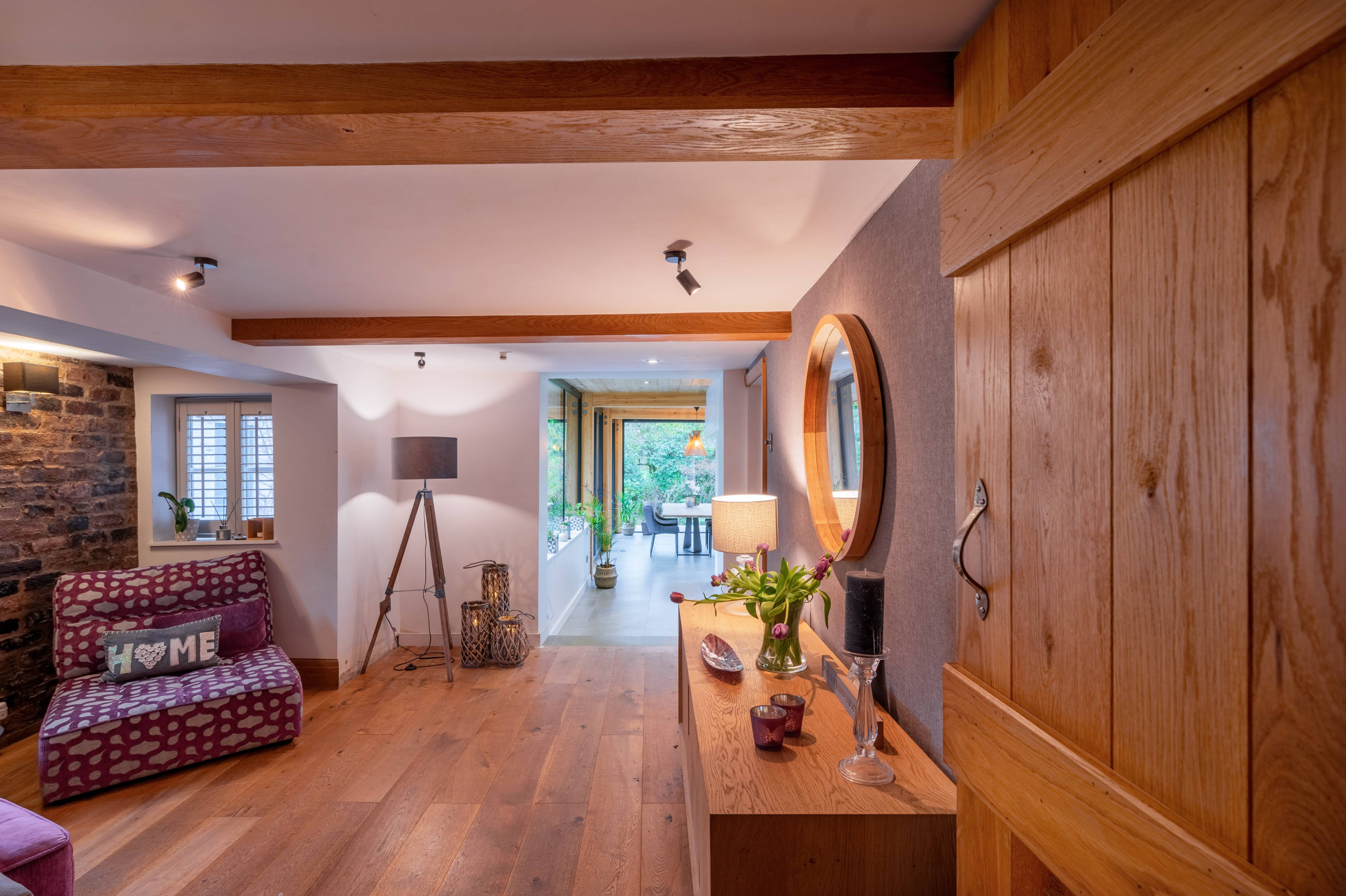
The experience of a home begins long before we settle into its living spaces.
During winter, this sense of transition becomes particularly meaningful. Moving from a sheltered entrance into a welcoming living space can create a feeling of retreat, shaping how a property feels from the moment you arrive.
In a larger home, for example, a generous entrance hall might create a sense of occasion, while a carefully positioned opening offers a glimpse of a fireplace or inviting living space beyond.
Rather than revealing everything at once, the architecture can create a gradual transition from the outside world into the more intimate areas of the home.
During winter, this sense of transition becomes particularly meaningful. Moving from a sheltered entrance into a welcoming living space can create a feeling of retreat, without requiring the home to feel enclosed or disconnected.
It's a subtle architectural consideration, but one that can shape how a property feels from the moment you arrive.
Finding Intimacy Within Generous Spaces
Expansive rooms, high ceilings and large areas of glazing are often defining characteristics of contemporary luxury homes.
But creating a sense of scale is only one part of successful residential design.
During winter, when evenings are spent indoors and entertaining becomes more focused around shared spaces, it's equally important that a home offers somewhere to feel comfortable and connected.
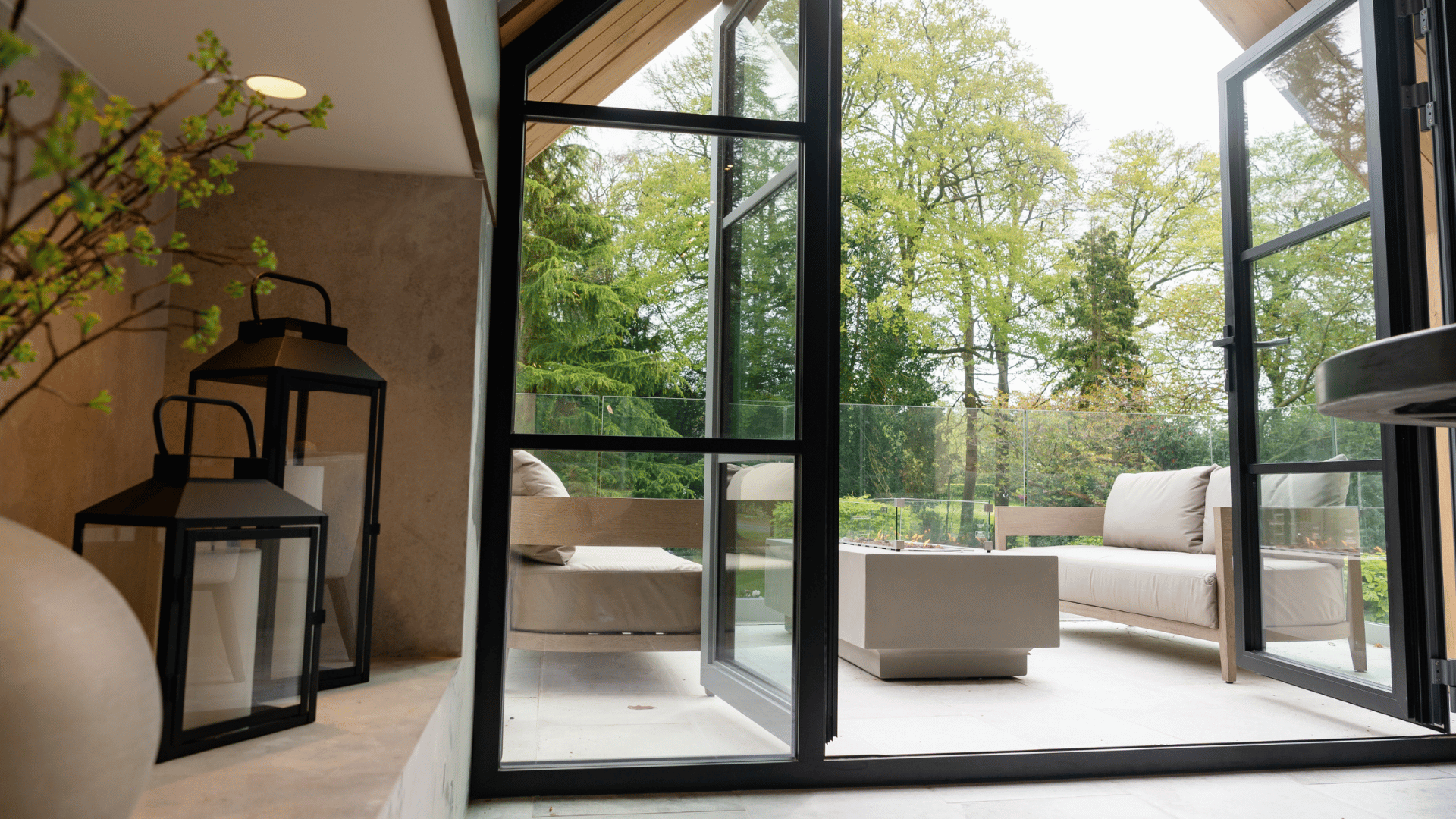
A fireplace, for example, can become an architectural focal point, influencing how seating is arranged and encouraging people to gather. Changes in ceiling height or the positioning of architectural features can help establish more intimate areas within a larger room, without compromising its openness.
Similarly, carefully positioned glazing can frame a winter view while allowing the surrounding architecture to retain a sense of enclosure.
The aim isn't to make generous rooms feel smaller, but to introduce a sense of proportion and definition that allows them to feel welcoming, even when only a few people are using them.
Because a truly successful space should feel just as enjoyable on a quiet winter evening as it does during a gathering of twenty guests.
Making Winter Light Part of the Architecture
One of the most noticeable changes during winter is the way natural light enters our homes.
With the sun sitting lower in the sky, light can reach further into certain rooms, creating moments that are rarely experienced during summer. But shorter days also mean that some spaces receive very little natural light at all.
These differences are worth considering long before decisions are made about finishes and furnishings.
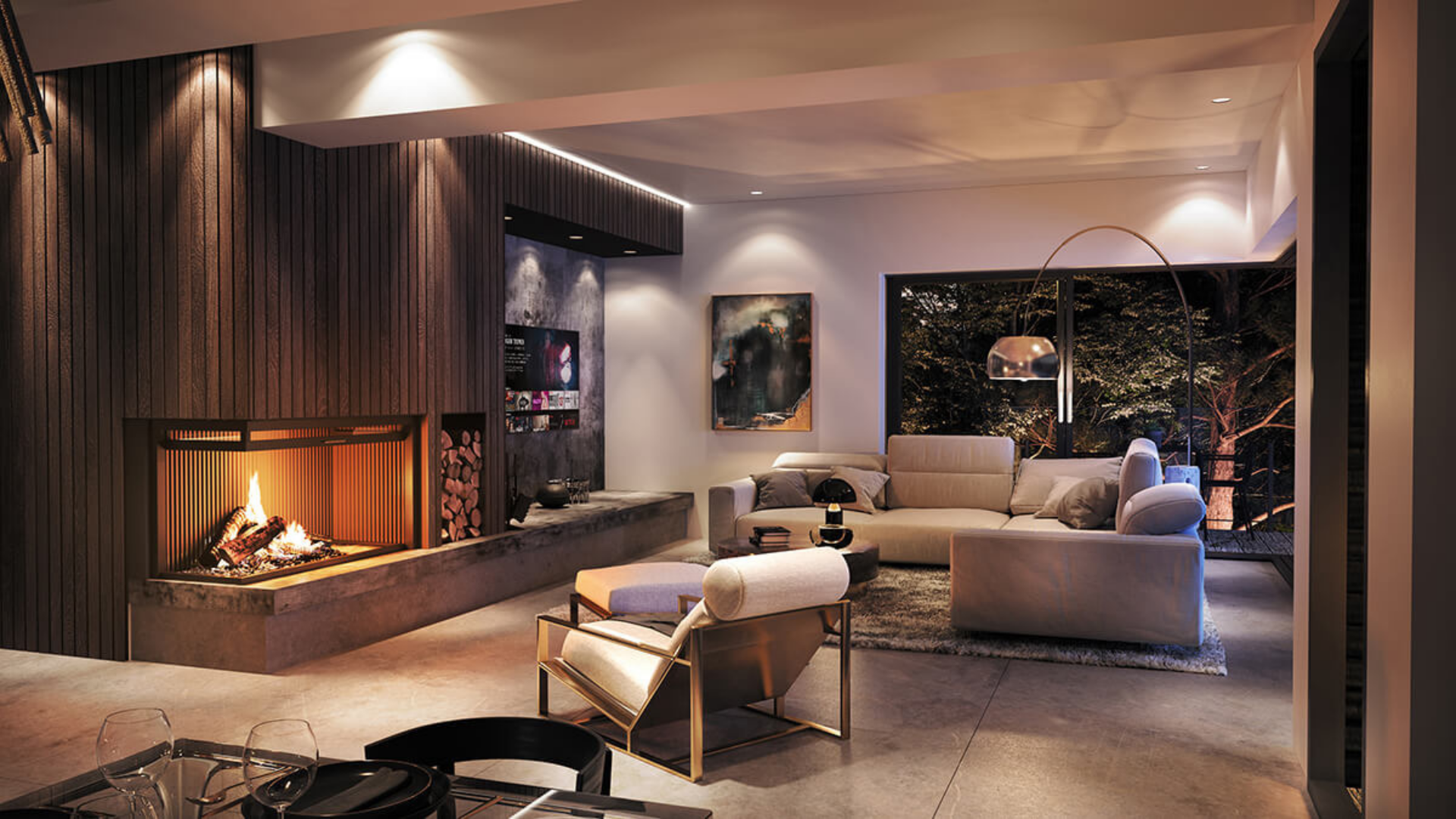
The orientation of a room, the positioning of windows and the depth of a building can all influence how daylight is experienced throughout the year. A carefully positioned opening might allow low winter sunlight to reach a favourite sitting area, while a rooflight could bring daylight into a space that would otherwise feel enclosed.
Rather than treating natural light as a constant, thoughtful architecture considers how it changes with the seasons, allowing different spaces to reveal their character throughout the year.
Closing Thoughts
A home that comes into its own during winter doesn't necessarily need traditional interiors, enclosed rooms or an abundance of seasonal features.
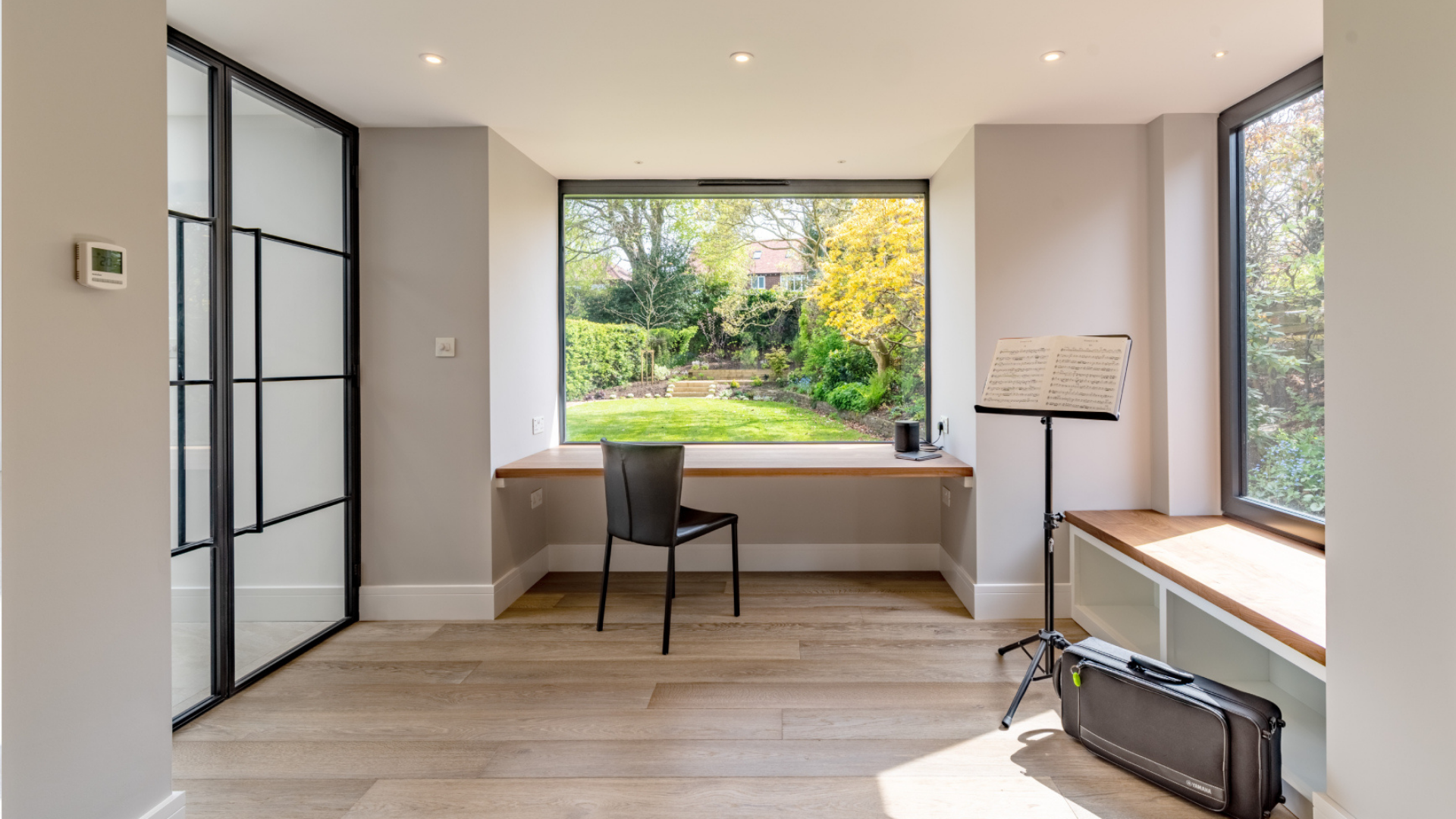
Instead, it's about understanding how the colder months change the way we experience our surroundings, and designing spaces that respond to those moments.
From the feeling of arriving home to the comfort of a beautifully proportioned living space, thoughtful architecture can make winter something to look forward to.
Because the best homes don't simply accommodate the changing seasons. They give us reasons to enjoy them.
If you would like to discuss your project with us, please call 01625 402442 or email us to arrange a free initial consultation.
A Vision Inspired by Outstanding Design


