

.jpg)
Luxury homes are no longer being designed purely around appearance or scale.
Increasingly, they are being shaped around how people want to feel within them.
And perhaps nowhere is that shift more noticeable than in the contrast between weekday living and weekend living.
During the week, homes are expected to support structure, productivity and routine. Spaces are used efficiently, often balancing work, family life and busy schedules simultaneously.
Weekends tend to bring a very different pace.
Mornings become slower. Meals become more social. Time is spent entertaining, relaxing or simply enjoying the home itself more fully.
As a result, many contemporary homes are now being designed with greater consideration for how spaces adapt to different moods, routines and ways of living throughout the week.
In our latest blog, we explore how contemporary homes are increasingly being designed to adapt to different routines, creating spaces that feel both functional during the week and restorative at the weekend.
Homes Designed To Feel Restorative
One of the biggest shifts within contemporary residential design is the growing emphasis on creating homes that feel restorative rather than simply functional.
As people spend more time at home, there is increasing demand for spaces that feel calmer, quieter and less visually overwhelming.
This is influencing everything from layout and lighting to material selection and spatial flow.
Rather than highly formal environments, many homeowners are now prioritising spaces that feel softer, more adaptable and easier to live in over long periods of time.
In many ways, luxury is becoming increasingly connected to comfort, atmosphere and simplicity.
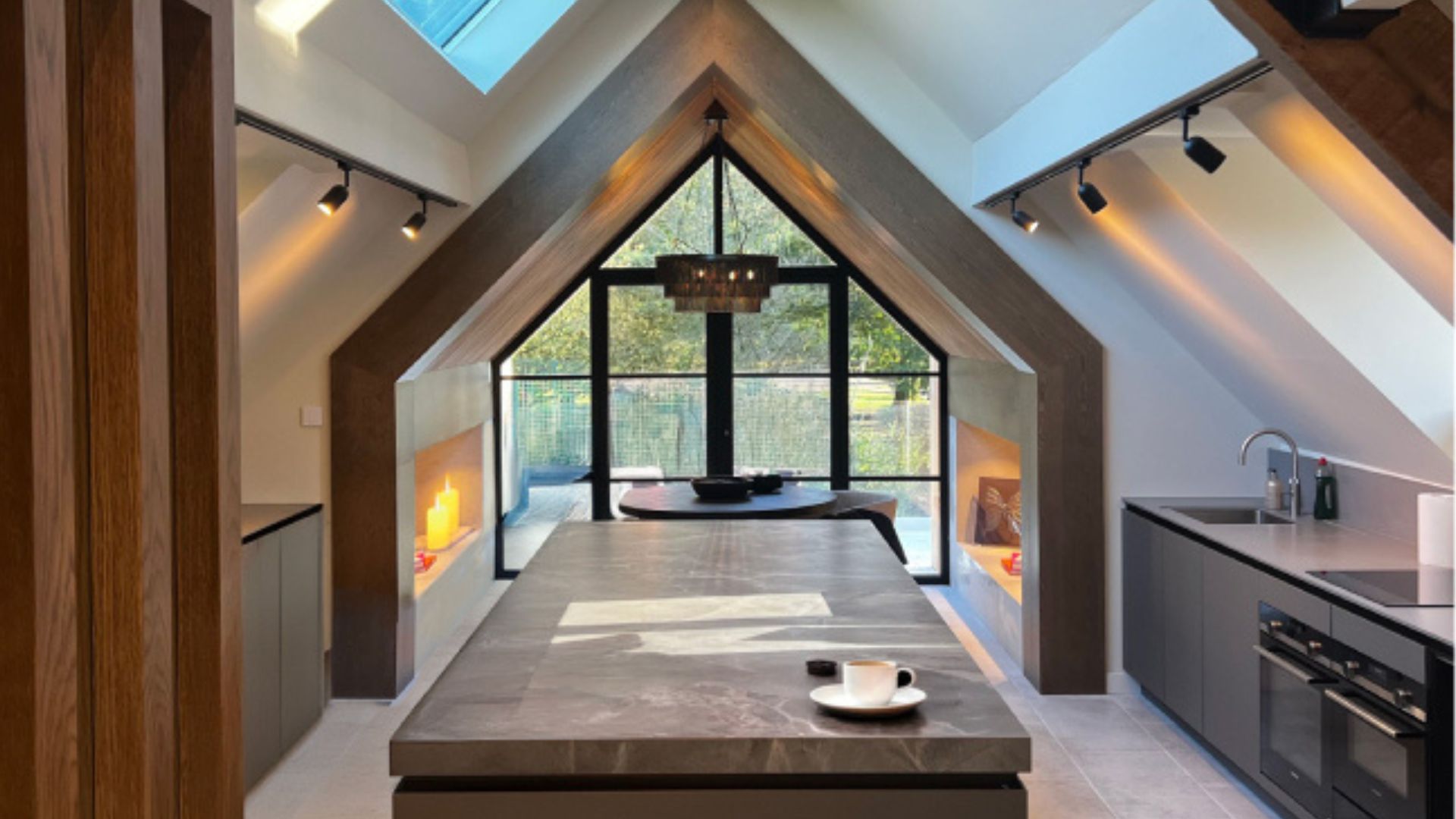
Kitchens Designed Around Gathering
The kitchen continues to sit at the centre of modern residential architecture, though increasingly its role extends far beyond cooking alone.
For many homeowners, the kitchen has become the primary social space within the home, particularly during slower weekends when routines become less structured.
Oversized islands, integrated seating and stronger links to outdoor spaces all support this shift towards more relaxed forms of living.
There is also growing emphasis on reducing visual noise within these spaces.
Concealed storage, integrated appliances and secondary prep kitchens are increasingly being used to create calmer and more refined environments, particularly within open-plan layouts.
This allows spaces to feel equally suited to busy weekday mornings and slower weekend afternoons.
.jpg)
Designing Around Slower Routines
Many contemporary homes are also being designed around smaller lifestyle moments that previously received far less consideration within residential architecture.
Morning coffee spaces with softer natural light. Window seats overlooking gardens. Covered terraces designed for year-round use rather than occasional summer entertaining.
These details may appear subtle individually, but collectively they help shape how a home is experienced day to day.
Increasingly, residential architecture is moving beyond purely visual design and placing greater importance on how spaces support routines, wellbeing and slower living.
.jpg)
Strengthening The Relationship Between Indoors And Outdoors
The connection between interior and exterior spaces has also become increasingly important within modern residential design.
Rather than treating gardens as separate from the home itself, many contemporary properties now approach outdoor spaces as extensions of everyday living.
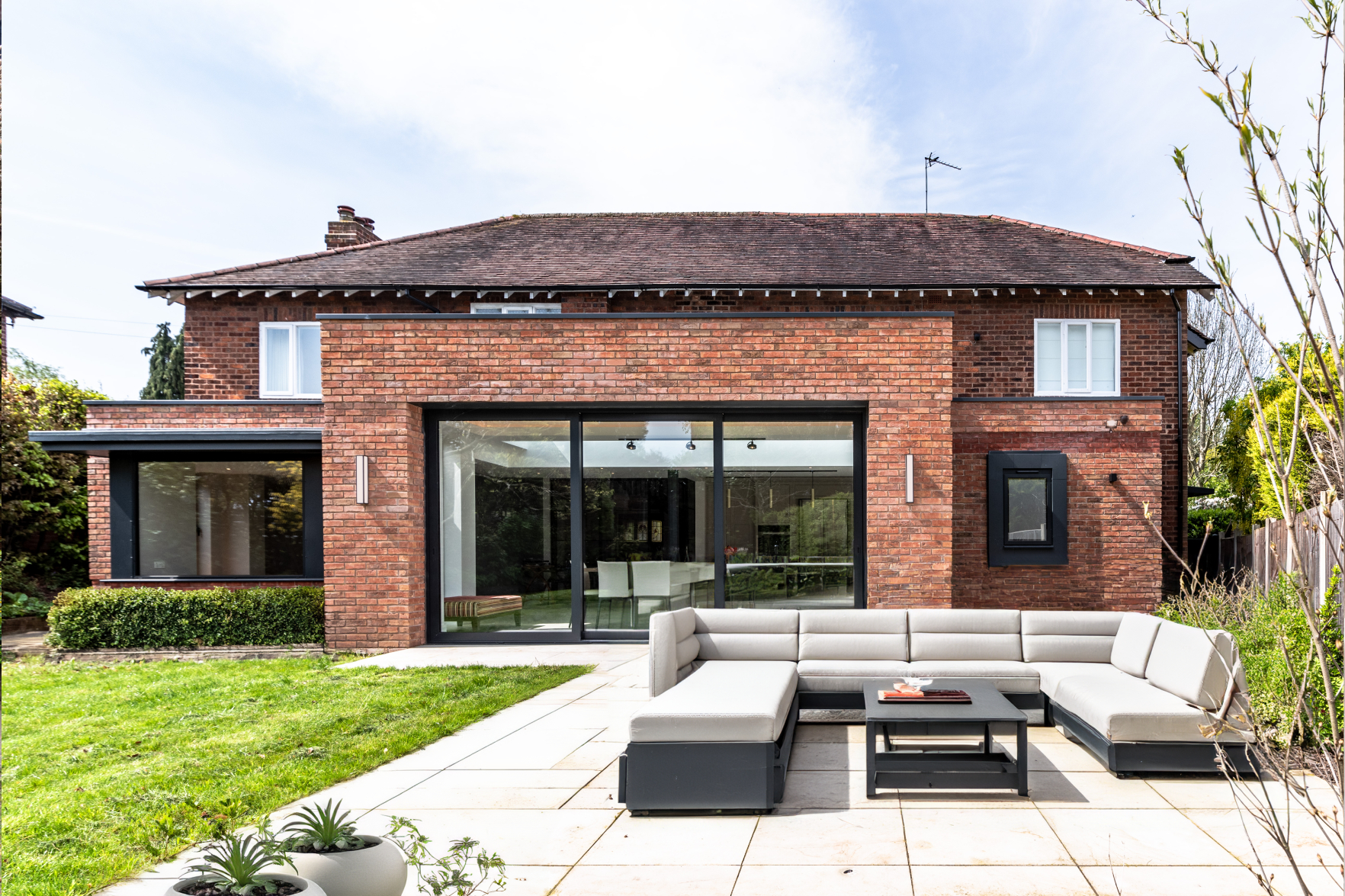
Large sliding doors, sheltered terraces, outdoor kitchens and carefully framed views all help strengthen this relationship.
Importantly, outdoor spaces are now often being designed for flexibility across multiple seasons rather than solely for summer use.
This creates homes that feel more adaptable throughout the year and more connected to the changing pace of seasonal living.
.jpg)
Closing Thoughts
The most effective residential designs are those that adapt naturally to different ways of living without needing to be constantly reconfigured.
A home may feel bright, energised and productive during the week, yet quieter and more restorative at the weekend through subtle changes in atmosphere, lighting and how spaces are occupied.
This flexibility is becoming increasingly valuable within high-end residential architecture.
Rather than prioritising aesthetics alone, many homeowners are now looking for homes that support both the practical demands of modern life and the quieter moments in between.
At Kimble Roden, residential architecture is approached with careful consideration for how homes are experienced across different routines, seasons and lifestyles, helping create spaces that feel both highly functional and deeply connected to modern living.
If you would like to discuss your project with us, please call 01625 402442 or email us to arrange a free initial consultation.
A Vision Inspired by Outstanding Design


.jpg)


