

.jpg)
Spring changes how a home is used and experienced.
As daylight increases and outdoor spaces become more active, the impact of architectural decisions becomes more apparent. The way light enters a room, how spaces connect to gardens or terraces, and how easily the home adapts to longer days all come into focus.
At Kimble Roden, spring is not approached as a reason to update or refresh a home. Instead, it serves as a measure of how well it has been designed from the outset.
Careful consideration of orientation, glazing, proportions and spatial flow ensures that homes respond naturally to seasonal change, rather than relying on later intervention.
In our latest blog we discuss the finer points of designing for spring and how intelligent and considered decisions can capture the changing seasons beautifully.
Spring As A Lens, Not A Theme
Good architecture doesn’t rely on seasons to work, but certain seasons make its qualities more visible.
Spring, in particular, highlights the relationship between a home and its surroundings.
The changing angle of sunlight exposes how carefully rooms have been orientated.
Emerging greenery reframes views that were considered months earlier, when branches were bare and gardens were quiet.
Spaces designed with restraint begin to feel generous, not because they have changed, but because their relationship with the outside world has.
This is where long-term residential design shows its depth.
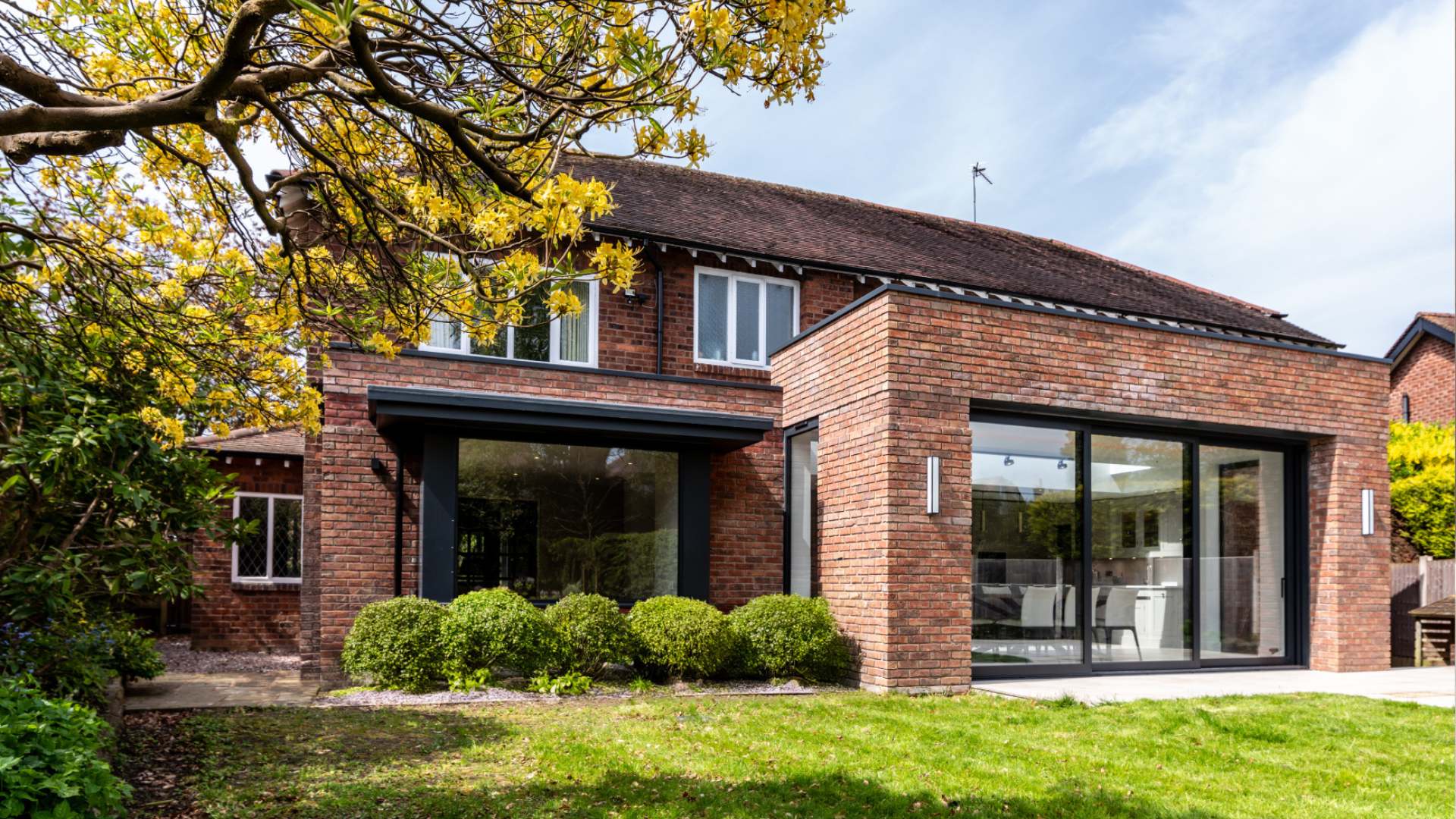
Designing With Change In Mind
From the earliest stages of a project, Kimble Roden considers how a home will be experienced across the year - not just how it looks on completion day.
Spring plays a subtle but important role in that thinking. It sits at the point where light, movement and growth become more dynamic, and where the success of earlier design decisions become apparent.
Orientation, window placement and spatial flow are never treated as fixed ideas. Instead, they are tested against how the home will feel as conditions shift - how morning light enters a kitchen in March, how a living space opens itself to the garden as it comes back to life, how circulation through the home feels as days become longer and more active.
It’s a reminder that architecture isn’t static.
It responds.
.jpg)
The Relationship Between Inside And Out
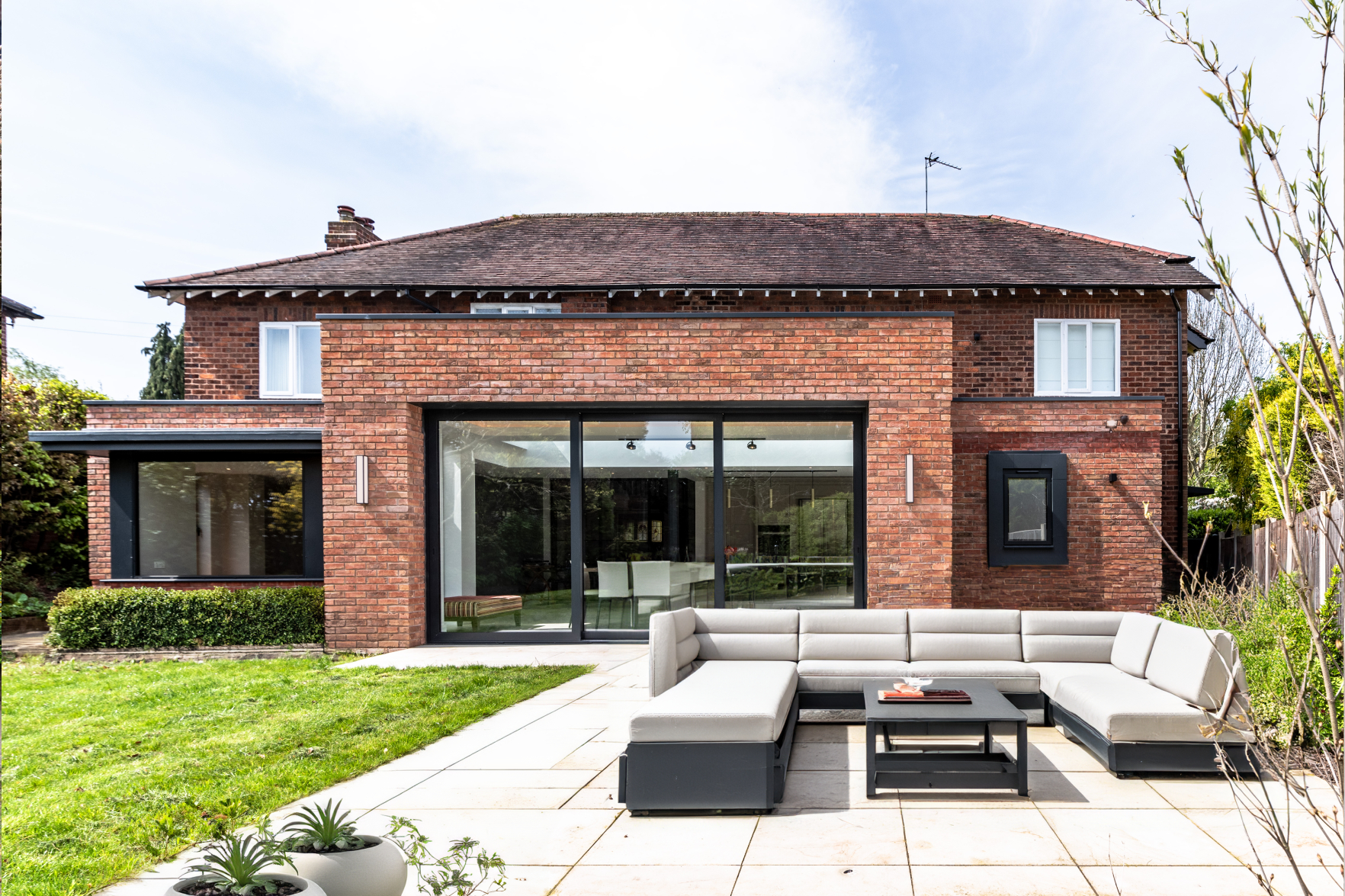
Spring naturally draws attention to the boundary between interior and exterior spaces. Doors are opened more often. Views are noticed again. The garden becomes part of daily life rather than a distant backdrop.
Rather than focusing solely on openness, Kimble Roden gives careful thought to transition. Covered thresholds, framed openings and moments of pause between spaces all help create a natural connection without forcing it.
These details matter. They allow homes to feel comfortable in early spring as much as in high summer, supporting everyday living rather than relying on short-lived seasonal moments.
.jpg)
Closing Thoughts
What spring ultimately highlights is not a need to change a home, but the quality of the thinking behind it.
Homes designed with sensitivity to their setting, proportion and orientation don't need seasonal adjustments to feel relevant.
They simply respond - quietly and consistently - to what’s happening around them.
As gardens grow and light shifts, the architecture settles into its role. Not competing with the landscape, but working alongside it.
At Kimble Roden, this approach reflects a broader philosophy: designing homes that feel considered, calm and enduring - homes that reveal their value over time, rather than announcing it all at once.
Spring just happens to be the season where that thinking becomes easiest to see.
If you would like to discuss your project with us, please call 01625 402442 or email us to arrange a free initial consultation.
A Vision Inspired by Outstanding Design


.jpg)


