


In our latest blog, we explore how thoughtful architecture can create homes that feel both open and private, connected and protected.
From the careful positioning of windows and the management of sight lines to the role of courtyards and outdoor spaces, we look at some of the design decisions that help create homes that feel comfortable, secure and deeply connected to the way people live.
For many homeowners, the idea of a dream home is often shaped by two seemingly opposing ambitions.
The first is a desire for openness, connection and natural light.
The second is a need for privacy, security and a sense of refuge from the outside world.
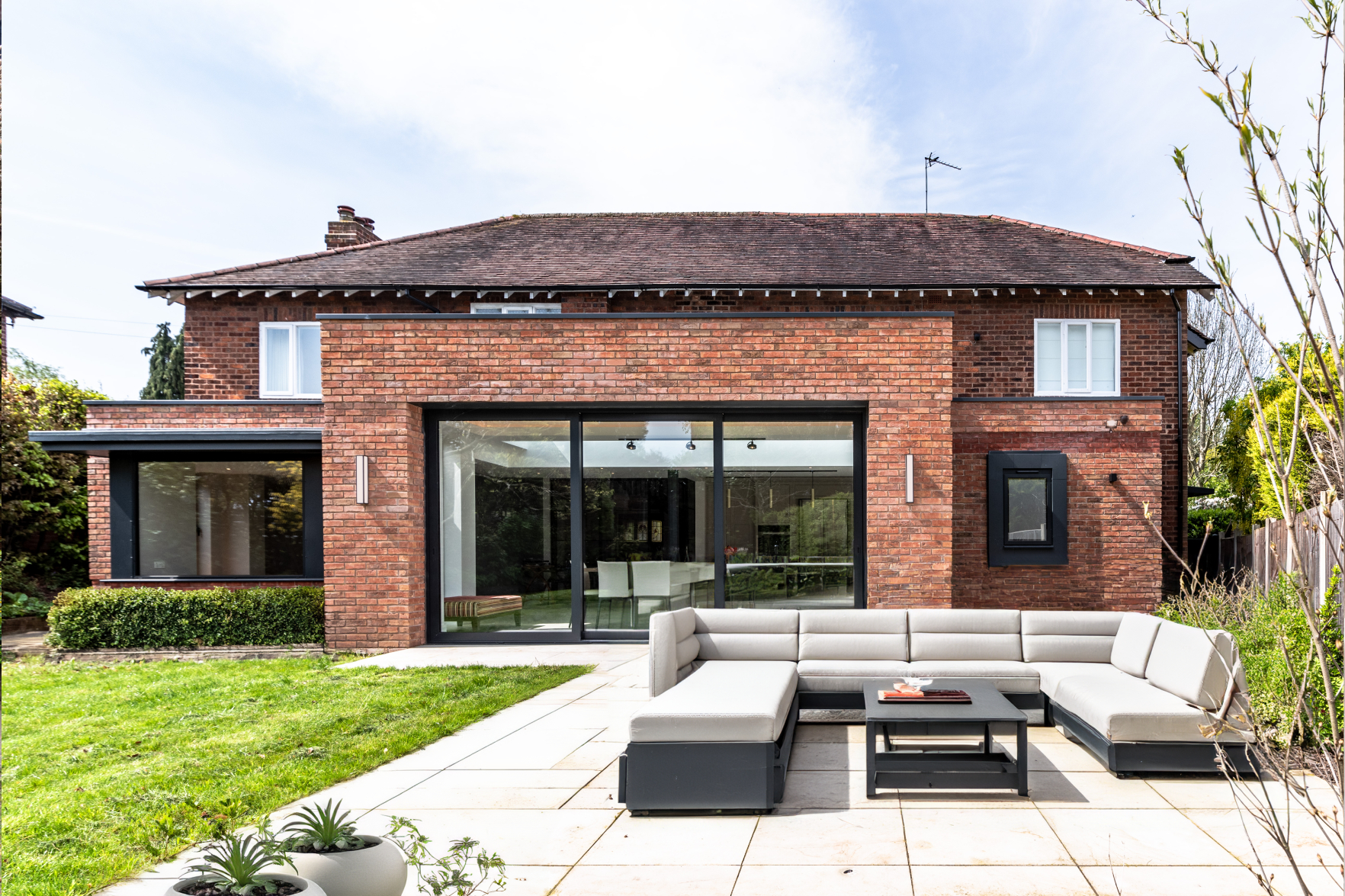
Rather than seeing privacy and openness as opposing ideas, good architecture finds ways to balance both. Through careful planning, homes can feel connected to their surroundings while still offering a strong sense of comfort, security and retreat.
At Kimble Roden, this balance is often established long before materials, finishes or furniture are considered. It begins with how the home is positioned, how spaces relate to one another and how people move through them every day.
Privacy Through Design, Not Barriers
When people think about privacy, the first things that often spring to mind are fences, walls, blinds or screening.
While these elements can play a role, truly successful privacy is usually designed into the architecture itself.
The positioning of rooms, the orientation of windows and the relationship between neighbouring properties can all have a significant impact on how a home feels.
A carefully placed window can frame a view without overlooking a neighbouring garden. A subtle change in floor level can create separation between public and private areas of a home. Even the journey from the entrance to the principal living spaces can influence how protected those spaces feel.
When privacy is considered from the outset, homes often feel calmer and more comfortable because they work naturally with their surroundings rather than relying on solutions added later.

The Importance of Sight Lines
One of the most powerful tools in residential architecture is the careful control of sight lines.
Sight lines determine what you see when you enter a space, move through a room or look out towards the landscape beyond.
In well-designed homes, views are rarely accidental.
A front door may be positioned so that your eye is immediately drawn towards a garden rather than a wall. A corridor might reveal glimpses of a courtyard before opening into a larger living space. A seating area may be arranged to capture a particular view while maintaining privacy from neighbouring properties.
These carefully considered visual connections create a sense of openness and flow throughout the home, while also helping spaces feel secure and intentionally arranged.
Often, it is the careful orchestration of what is revealed and what remains concealed that creates the most memorable architectural experience.
.png)
Courtyards as Places of Connection
Courtyards have long been used in architecture to create a sense of shelter while maintaining a strong relationship with the outdoors.
Today, they remain one of the most effective ways of balancing privacy and connection.
By creating an outdoor space that is enclosed by the architecture of the home itself, courtyards provide a protected environment where natural light, planting and fresh air can become part of everyday life.
They can provide moments of pause within a home, create visual connections between different spaces and strengthen the relationship between architecture and landscape.
Importantly, courtyards often allow rooms to benefit from additional natural light and views without relying solely on the external boundaries of the site.
The result is a home that feels open and outward-looking while still maintaining a strong sense of privacy.
.png)
Window Placement Matters More Than Size
Large expanses of glazing are often associated with contemporary homes, but the success of a window is rarely determined by its size alone.
The placement of a window often has a far greater influence on how a space feels and functions.
A carefully positioned opening can capture sunlight throughout the day, frame a particular landscape feature or create a visual connection to a courtyard or garden.
Equally, thoughtful placement can minimise overlooking, enhance privacy and improve security without sacrificing natural light.
This is where architecture becomes highly responsive to the specific characteristics of a site.
Rather than applying the same solution to every project, window design should reflect the unique opportunities and constraints of the location, creating a home that feels tailored to both its surroundings and the people who live there.
.png)
A Home That Balances Openness And Retreat
The homes that endure are rarely defined by a single feature or design trend.
Instead, they are shaped by a series of thoughtful decisions that influence how the home feels to live in every day.
By carefully considering sight lines, window placement, courtyards and the relationship between privacy and security, it is possible to create homes that offer both openness and protection in equal measure.
At Kimble Roden, these considerations form part of a wider architectural approach that seeks to create homes that feel intuitive, enduring and deeply connected to the way their owners want to live.
Because the homes that work best are not simply places that look impressive. They are places that feel comfortable, intuitive and right for the people who live in them.
If you would like to discuss your project with us, please call 01625 402442 or email us to arrange a free initial consultation.
A Vision Inspired by Outstanding Design


.jpg)


