

.jpg)
The homes that age best are rarely those that follow the latest trends.
While certain styles, materials and features may capture attention for a moment, the homes that continue to feel relevant and enjoyable to live in are often shaped by more enduring principles.
They are homes designed with longevity in mind.
Rather than focusing solely on how a home will look upon completion, thoughtful architecture considers how it will perform, adapt and mature over time. From the materials selected to the way spaces are organised, every decision contributes to a home’s ability to remain functional, comfortable and visually compelling for many years to come.
At Kimble Roden, designing homes that age well is not necessarily about creating something timeless in a traditional sense. It is about creating homes that continue to feel appropriate to both their setting and the people who live within them, long after construction is complete.
In our latest blog, we explore why the homes that continue to feel relevant and enjoyable to live in are often shaped by enduring design principles rather than passing trends. From selecting materials that mature gracefully to creating adaptable spaces and designing with a strong sense of place, we look at some of the architectural considerations that help homes remain functional, comfortable and visually compelling for many years to come.
Looking Beyond Trends
Design trends inevitably come and go.
What feels contemporary today may feel dated surprisingly quickly, particularly when design decisions are driven by short-term fashion rather than long-term purpose.
Homes that age well tend to be rooted in qualities that remain relevant beyond changing tastes and design fashions. Proportion, natural light, materiality and a strong relationship with the surrounding environment often have a far greater influence on longevity than any particular style or finish.
This does not mean avoiding contemporary design. Rather, it means ensuring that design decisions are grounded in principles that will continue to add value over time.
When architecture prioritises quality over novelty, homes are better positioned to evolve gracefully as lifestyles and preferences change.
Designing for Adaptability
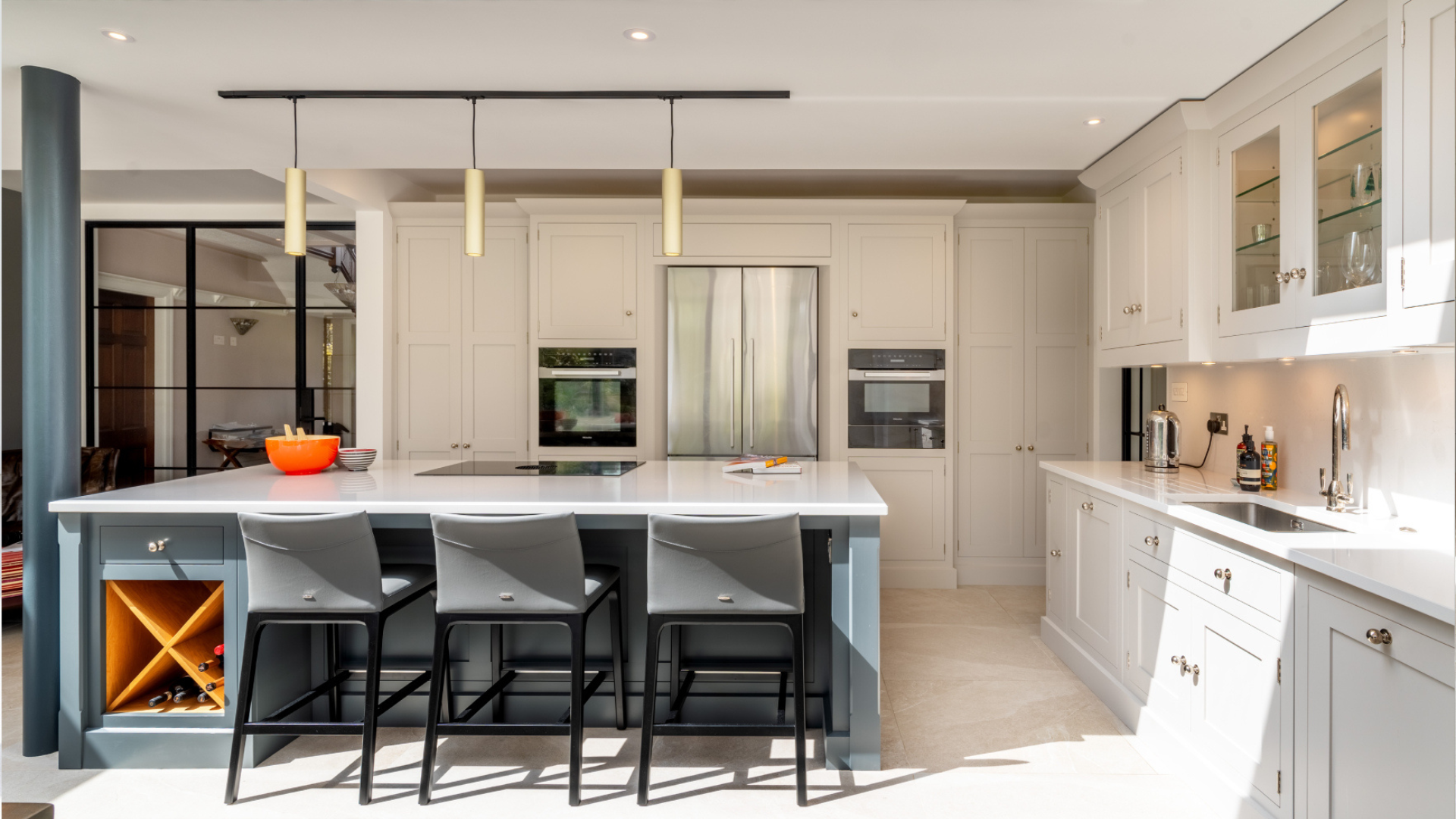
A home’s longevity is influenced not only by its appearance, but by its ability to support changing patterns of living.
The way we use our homes can evolve significantly over time. Families grow, working habits change and priorities shift.
Homes that age well often provide a degree of flexibility, allowing spaces to evolve without requiring fundamental alterations to the architecture itself.
This may involve creating rooms that can serve multiple purposes, designing layouts that accommodate changing needs or ensuring that future adaptations can be made with minimal disruption.
By thinking beyond immediate requirements, architecture can create homes that remain practical and relevant throughout different stages of life.
.png)
The Importance of Lasting Quality
Longevity is often found in the details.
Carefully considered junctions, durable materials, thoughtful craftsmanship and a strong understanding of how a building will perform over time all contribute to the enduring quality of a home.
These elements are not always the most visible, but they often have the greatest impact on how a home is experienced years after completion.
When quality is embedded throughout the design process, homes are more likely to retain their character, functionality and value over the long term.
.png)
Creating a Strong Relationship With Place
Homes that age particularly well often share one common characteristic.
They feel as though they belong.
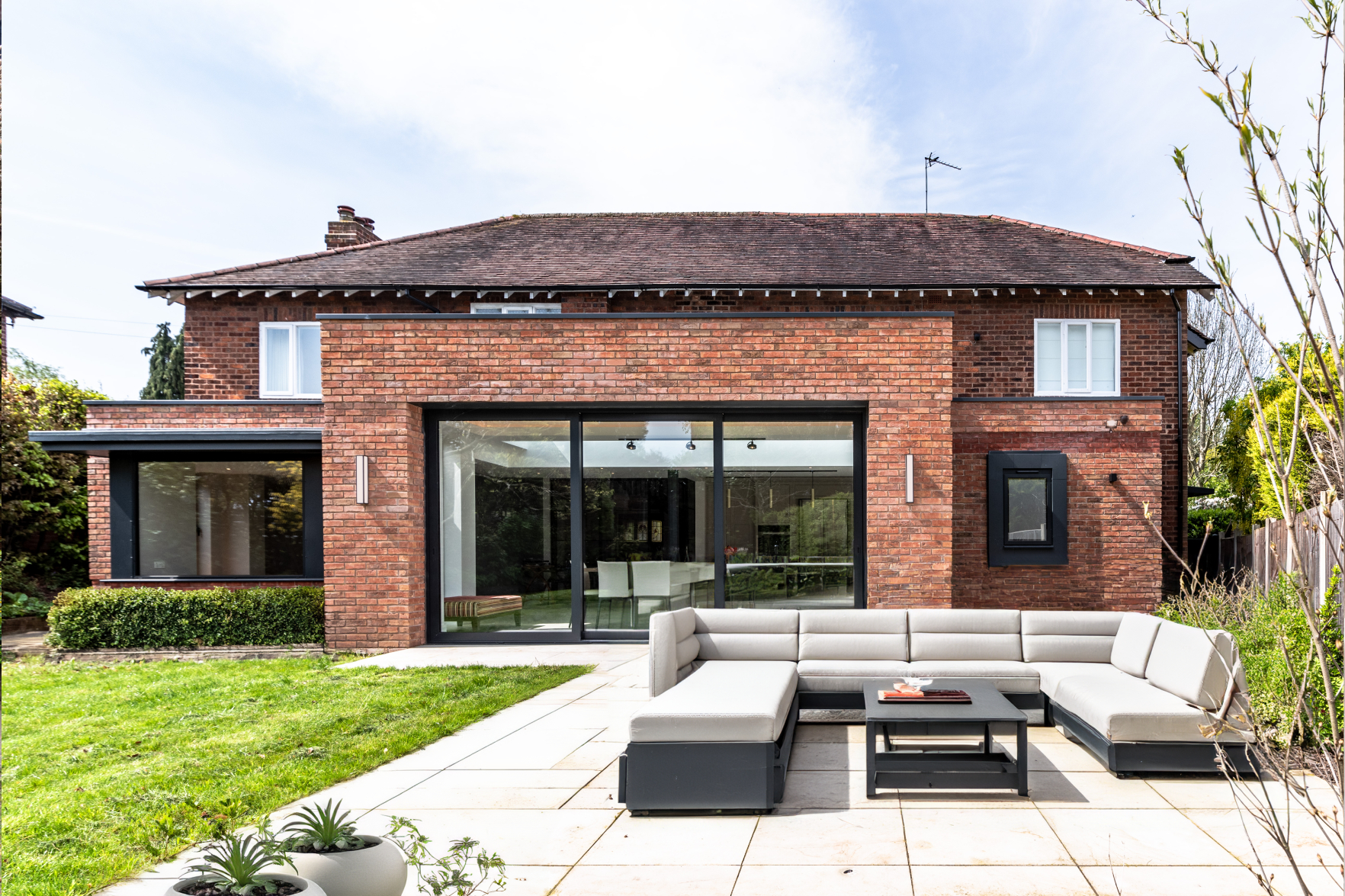
Rather than imposing themselves upon a site, they respond to its landscape, orientation, context and character.
This connection helps create homes that remain relevant even as architectural fashions evolve. Their character is shaped by the qualities of a place rather than the influence of a particular trend.
As a result, they often feel more enduring and more meaningful to the people who live within them.
.png)
Designing for the Long Term
Architecture is ultimately an investment in the future.
While it is natural to focus on the excitement of a completed project, the homes that endure are designed with decades rather than years in mind.
By prioritising enduring design principles, selecting materials that mature gracefully and creating spaces that can adapt over time, it is possible to create homes that continue to perform beautifully long after they are first occupied.
At Kimble Roden, this long-term perspective forms an important part of our approach. Good architecture is not simply about creating homes that look impressive today, but homes that continue to feel relevant, considered and enjoyable to live in for many years to come.
If you would like to discuss your project with us, please call 01625 402442 or email us to arrange a free initial consultation.
A Vision Inspired by Outstanding Design


.jpg)


